Women Are Reshaping Philanthropy — And the Future of Giving
Studies show women are driving charitable decisions, giving more collaboratively, and shaping the future of philanthropy through empathy, engagement and strategic planning.
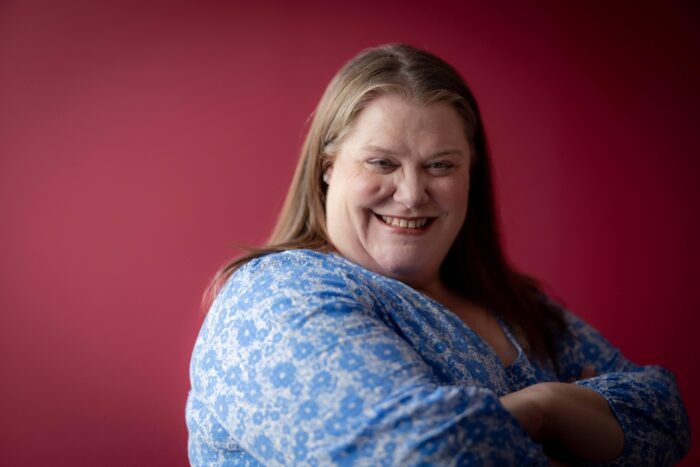
By Jennifer Vickerman Akaolisa, CFRE, Gift Planner
March is Women’s History Month, and it’s a great time to check in on the increasing role of women in philanthropy.
At the Saint Paul & Minnesota Foundation, we are honored to work with women across multiple generations. Women’s growing control over wealth is fueling transformative potential to reshape philanthropy. According to a research-based analysis published in the Stanford Social Innovation Review, over the next decade, trillions of dollars will transfer to women through inheritance, earnings and outliving male partners in heterosexual couples.
What’s more, research from Indiana University’s Lilly Family School of Philanthropy, including Women Give 2024: 20 Years of Gender & Giving Trends, supports what many are seeing firsthand: women are increasingly leading charitable decisions within their families.
Sometimes this shift happens gradually — a daughter becomes more involved in conversations about family giving, or a spouse who once deferred decisions begins shaping philanthropic priorities more directly. In other cases, the transition is sudden and deeply personal, such as after the death of a spouse or parent, when a woman assumes sole responsibility for stewarding both financial assets and charitable intent.
You’re likely familiar with high-profile examples such as MacKenzie Scott and Melinda Gates. But the trend is much more widespread than just billionaires and a few big names.
Women often give more generously, more broadly and more collaboratively than men. Notably, the ways women approach philanthropy differ significantly from men, especially with respect to motivations such as empathy, personal priorities and firsthand involvement.
As women step more fully into philanthropic leadership, thoughtful planning can help ensure that their giving remains impactful and sustainable. Here are three ways the Foundation partners with women and families to implement philanthropic intentions:
1. Creating a Family Giving Legacy
Many women choose to involve children or grandchildren as co-advisors, turning grantmaking into an opportunity to share values and learn together about community needs. That’s why a donor advised fund can provide a flexible structure for collaborative giving.
It can be established with tax-efficient assets — such as appreciated stock or other complex assets — helping maximize both impact and stewardship.


2. Focusing Long-term Giving in a Specific Area
When women give, they often feel called to support a particular issue — education, healthcare, the arts, emergency assistance or another area of personal significance. If you are of a certain age and this is how you choose to give, a field-of-interest fund can provide both focus and flexibility.
For donors age 70 ½ or older, Qualified Charitable Distributions (QCDs) to certain types of funds at the Foundation (excluding donor advised funds) from an IRA or retirement assets may offer an efficient way to support charitable priorities during life. Furthermore, naming a donor advised fund as an IRA beneficiary can extend that support well beyond the donor’s lifetime.
3. Strengthening the Impact of a Favorite Organization
Some women dedicate years of service to a specific nonprofit.
In these cases, strategic planning can ensure that commitment endures. Grants can address immediate needs such as staffing or infrastructure, while a designated fund (an eligible recipient of a QCD) can provide dependable annual support for generations to come.

Women’s philanthropy continues to shape our communities in profound ways. Whether leadership transitions happen gradually or through life-changing events, the opportunity to align generosity with long-term purpose is powerful.
To learn more about ways to give, contact a member of our Philanthropic Services team. At the Foundation, we are not just here for women, but for everyone. We look forward to helping ensure your philanthropic giving reflects both an enduring legacy and evolving purpose.
About the Author
Jennifer Vickerman Akaolisa, Gift Planner, works to advance the Foundation’s mission by collaborating with professional advisors and donors to achieve philanthropic goals to better the lives of people in their communities. Jennifer feels that working at the Foundation, with its focus on inspiring generosity, advocating for equity, and investing to advance community visions, is a fantastic way for her to live out her personal passions in her profession. Her favorite part of her job is connecting with community members who are generous and care about being part of community-led solutions.
She previously worked as a financial advisor and in new business development for Thrivent Financial, as a gift planner for Gustavus Adolphus College, and as the Director of Development & Philanthropy for Friends of the Hennepin County Library. Jennifer holds a bachelor’s degree with majors in Music Performance and Theatre from Gustavus Adolphus College. She has earned a Fundraising Certificate from the University of St. Thomas and the Certified Fundraising Executive accredited designation from CFRE International.
The Saint Paul & Minnesota Foundation does not provide tax, legal or accounting advice. Please consult your own tax, legal and accounting advisors regarding your individual situation before engaging in any transaction.
More Stories

A Deeper Way to Support Your Client's Philanthropy
Conversations about nonprofit board service can help clients align their nonprofit leadership, values and long-term impact goals.
See the Possibilities
Expanding Possibilities for Charitable Giving
Proposed legislation could broaden Qualified Charitable Distribution planning opportunities.
See the Possibilities
The New Philanthropy Conversation
How to move beyond tax strategies to help families connect their wealth with purpose, legacy and community impact.
See the Strategies
The Philanthropy Trifecta: Charitable Giving Tools to Support Your Client’s Giving Journey
Strategies for making an impact through a private foundation, charitable remainder trust and donor advised fund.
See the Strategies
Corporate Giving: Advising Businesses in a New Era
Learn how your clients can make the most out of corporate giving with the new charitable deduction rules.
See How
Where Purpose, Planning and Minnesota Communities Come Together
How the Saint Paul & Minnesota Foundation helps advisors and clients align generosity with lasting community impact.
See How
A Unified Approach to Planned Giving
Even the strongest team of advisors can leave clients with fragmented plans unless tax, legal and financial professionals can work together intentionally.
See the Approach
Grants to Individuals: What the IRS Allows Nonprofits to Do
IRS rules, exceptions and best practices you and your clients should know.
See the Rules