Where Purpose, Planning and Minnesota Communities Come Together

How the Saint Paul & Minnesota Foundation helps advisors and clients align generosity with lasting community impact.
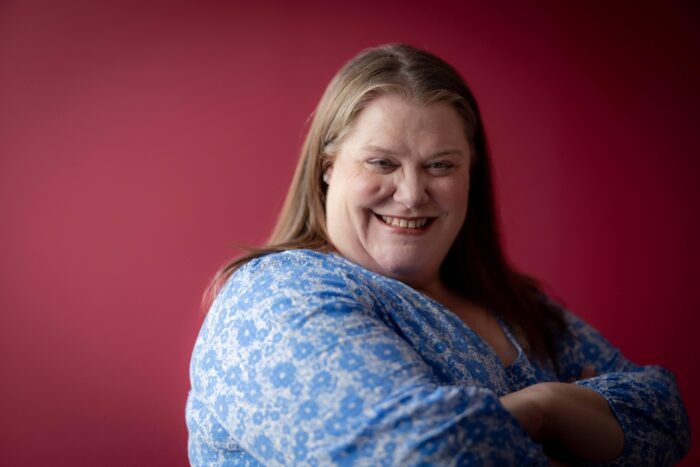
By Jennifer Vickerman Akaolisa, CFRE, Gift Planner
As attorneys, CPAs and wealth advisors, you’ve likely noticed the growing attention donor advised funds are receiving in financial publications. That attention is well earned. Donor advised funds have become essential tools for helping clients align thoughtful financial planning with meaningful charitable impact.
What’s discussed less often — and where community foundations truly stand apart — is how a donor advised fund at a community foundation, such as the Saint Paul & Minnesota Foundation, can serve as far more than a single giving vehicle. For many Minnesota families, it becomes the central hub of a charitable planning portfolio, bringing structure, flexibility and deep connection to community together in one place.
Below are several ways to frame this broader perspective in conversations with your clients.
A Central Point for Organizing Charitable Giving
At its core, a donor advised fund offers clients a streamlined way to contribute a variety of assets — including cash, appreciated securities and other property — while retaining flexibility around when and how grants are made. This structure is particularly valuable as clients navigate changing tax rules, income variability or strategies such as bunching charitable contributions in higher‑income years.
By establishing a fund, clients create an immediate charitable vehicle that supports intentional, long-term giving — rather than requiring one‑off decisions year after year.
Access to a Broader Set of Charitable Tools
A donor advised fund at the Foundation is often the starting point, not the destination.
As clients’ philanthropic goals evolve, the community foundation can introduce additional tools and fund structures that complement their donor advised fund — without requiring them to manage multiple disconnected entities. This allows you, as an advisor, to help clients build a cohesive charitable strategy that adapts over time, while remaining administratively simple.
Deeper Connection to Local Impact
One of the most distinctive advantages of working with a community foundation is access to deep, place‑based knowledge.
Rooted in Saint Paul and serving communities across Minnesota, the Foundation maintains close relationships with nonprofit organizations and stays attuned to emerging needs across the region. This local insight helps clients move beyond transactional giving toward philanthropy that is informed, responsive and grounded in community realities.
For many donors, this connection transforms charitable giving from something they do into something they belong to.
Flexibility Across Multiple Fund Types
In addition to donor advised funds, we offer a range of giving options that can work together within a single plan:
- Designated funds to support specific organizations
- Field‑of‑interest funds to focus on certain causes or issues
- Unrestricted funds that allow the Foundation to address the community’s most pressing needs as they arise
These fund types can be layered intentionally, giving clients confidence that their philanthropy remains both focused and flexible as community needs evolve.
Incorporating Tax Efficient Distribution Strategies
For clients age 70½ and older, Qualified Charitable Distributions (QCDs) can play an important role in charitable planning. While QCDs cannot currently be directed to donor advised funds, they can support other fund types at the community foundation.
This creates an opportunity for clients to reduce taxable income while continuing to advance their charitable priorities — especially when paired thoughtfully with donor advised funds and other assets.
Supporting Long-term and Legacy Planning
A fund at the Foundation can also serve as a cornerstone of a client’s legacy strategy.
Through bequests in a will or trust, or beneficiary designations on retirement accounts and life insurance, clients can extend their impact well beyond their lifetimes. The Foundation provides ongoing stewardship to ensure those intentions are carried forward in ways that remain relevant, responsive and aligned with community needs over time.
A Trusted Partner in Charitable Planning
When viewed through this broader lens, the role of the community foundation becomes clear. Rather than offering a single giving vehicle, the Saint Paul & Minnesota Foundation serves as a flexible, enduring hub for charitable planning — helping you and your clients build strategies that can adapt alongside changing tax laws, market conditions and community priorities across Minnesota.
We are honored to partner with you and provide you with resources to support your clients’ charitable goals and their commitment to strengthening our shared communities.
About the Author
Jennifer Vickerman Akaolisa, Gift Planner, works to advance the Foundation’s mission by collaborating with professional advisors and donors to achieve philanthropic goals to better the lives of people in their communities. Jennifer feels that working at the Foundation, with its focus on inspiring generosity, advocating for equity, and investing to advance community visions, is a fantastic way for her to live out her personal passions in her profession. Her favorite part of her job is connecting with community members who are generous and care about being part of community-led solutions.
She previously worked as a financial advisor and in new business development for Thrivent Financial, as a gift planner for Gustavus Adolphus College, and as the Director of Development & Philanthropy for Friends of the Hennepin County Library. Jennifer holds a bachelor’s degree with majors in Music Performance and Theatre from Gustavus Adolphus College. She has earned a Fundraising Certificate from the University of St. Thomas and the Certified Fundraising Executive accredited designation from CFRE International.
The Saint Paul & Minnesota Foundation does not provide tax, legal or accounting advice. Please consult your own tax, legal and accounting advisors regarding your individual situation before engaging in any transaction.
More Stories

A Deeper Way to Support Your Client's Philanthropy
Conversations about nonprofit board service can help clients align their nonprofit leadership, values and long-term impact goals.
See the Possibilities
Expanding Possibilities for Charitable Giving
Proposed legislation could broaden Qualified Charitable Distribution planning opportunities.
See the Possibilities
The New Philanthropy Conversation
How to move beyond tax strategies to help families connect their wealth with purpose, legacy and community impact.
See the Strategies
The Philanthropy Trifecta: Charitable Giving Tools to Support Your Client’s Giving Journey
Strategies for making an impact through a private foundation, charitable remainder trust and donor advised fund.
See the Strategies
Corporate Giving: Advising Businesses in a New Era
Learn how your clients can make the most out of corporate giving with the new charitable deduction rules.
See How
Women Are Reshaping Philanthropy — And the Future of Giving
Studies show women are driving charitable decisions, giving more collaboratively, and shaping the future of philanthropy through empathy, engagement and strategic planning.
See How
A Unified Approach to Planned Giving
Even the strongest team of advisors can leave clients with fragmented plans unless tax, legal and financial professionals can work together intentionally.
See the Approach
Grants to Individuals: What the IRS Allows Nonprofits to Do
IRS rules, exceptions and best practices you and your clients should know.
See the Rules