A Unified Approach to Planned Giving

Even the strongest team of advisors can leave clients with fragmented plans unless tax, legal and financial professionals can work together intentionally.

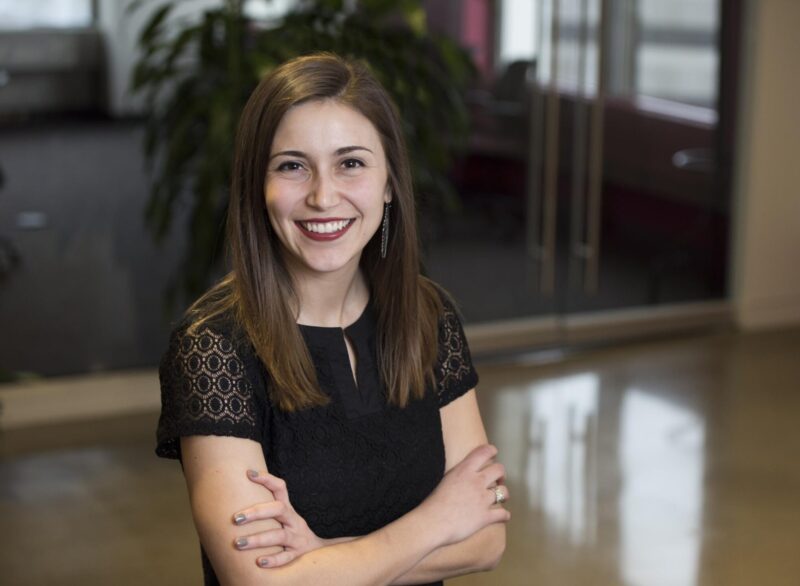
By Mariah Brook, Director of Gift Planning
Clients often rely on a team of professionals to guide them through tax, legal and financial decisions.
They may hear excellent advice in separate meetings from different advisors yet still feel as though the plan is fragmented. One professional may focus on documents, another on projections and another on portfolios. For clients to best connect the dots, professional advisors must find a way to work together.
The Value of Coordination
Lack of coordination can have real consequences.
For instance, recent Tax Court decisions underscore why charitable giving is an area where attorneys, CPAs and financial advisors must operate as a coordinated team rather than in parallel silos. In cases like these, involving the Saint Paul & Minnesota Foundation as a facilitator and convener can help streamline planning across disciplines.
In both Cade v. Commissioner and Besaw v. Commissioner, the taxpayers’ charitable intent was clear, yet the deductions failed because critical substantiation and valuation steps were missing or incomplete.
These cases highlight a common professional blind spot that can contribute to situations faced by the taxpayers in each case: each advisor may reasonably assume that someone else on the team is handling valuation, acknowledgments and Form 8283 compliance.
Knowing Each Advisor’s Role
Attorneys may focus on structuring the gift and legal compliance, financial advisors on asset selection and timing and CPAs on reporting the deduction, but when documentation responsibilities are not explicitly assigned, essential evidence such as qualified appraisals, properly completed forms and contemporaneous written acknowledgments can fall through the cracks.
The result likely is not simply the IRS’s technical adjustment, but instead the complete loss of the charitable deduction.
“For clients to best connect the dots, professional advisors must find a way to work together.”
Mariah Brook, Director of Gift Planning
Benefits of Partnering with Us
This is where intentional collaboration — including working with the Foundation — becomes especially important. We can serve as a convener for all advisors to structure a charitable giving plan that meets their clients' goals.
The Foundation can assist in legal and policy developments and provide updates to attorneys, CPAs and financial advisors to determine which developments might impact their clients and what to do about it.
To best achieve clients’ goals, planned giving should be an ongoing process, not just a year-end activity.
The Saint Paul & Minnesota Foundation is honored to be your first call when you are helping your clients set their charitable intentions in motion. To learn more about how we can be of support to you and your clients, contact me, Mariah Brook, or one of our gift planners from our Philanthropic Services team.
About the Author
As Director of Gift Planning, Mariah Brook helps individuals and families initiate and express their philanthropic plan to maximize their giving. In her role, Mariah also provides nonprofits the support to start and grow their endowments and works alongside professional advisors to help them achieve their client’s philanthropic goals. The most rewarding part of her job is watching donors be open-handed with the resources they have and the impact it has on community.
Mariah joined the Saint Paul & Minnesota Foundation in 2014 after graduating from the University of Minnesota with a bachelor’s degree in communication studies. She is involved in her community through various leadership and volunteer roles at her church in downtown Minneapolis and serves on the board of a family support center.
The Saint Paul & Minnesota Foundation does not provide tax, legal or accounting advice. Please consult your own tax, legal and accounting advisors regarding your individual situation before engaging in any transaction.
More Stories

A Deeper Way to Support Your Client's Philanthropy
Conversations about nonprofit board service can help clients align their nonprofit leadership, values and long-term impact goals.
See the Possibilities
Expanding Possibilities for Charitable Giving
Proposed legislation could broaden Qualified Charitable Distribution planning opportunities.
See the Possibilities
The New Philanthropy Conversation
How to move beyond tax strategies to help families connect their wealth with purpose, legacy and community impact.
See the Strategies
The Philanthropy Trifecta: Charitable Giving Tools to Support Your Client’s Giving Journey
Strategies for making an impact through a private foundation, charitable remainder trust and donor advised fund.
See the Strategies
Corporate Giving: Advising Businesses in a New Era
Learn how your clients can make the most out of corporate giving with the new charitable deduction rules.
See How
Where Purpose, Planning and Minnesota Communities Come Together
How the Saint Paul & Minnesota Foundation helps advisors and clients align generosity with lasting community impact.
See How
Women Are Reshaping Philanthropy — And the Future of Giving
Studies show women are driving charitable decisions, giving more collaboratively, and shaping the future of philanthropy through empathy, engagement and strategic planning.
See How
Grants to Individuals: What the IRS Allows Nonprofits to Do
IRS rules, exceptions and best practices you and your clients should know.
See the Rules