Grants to Individuals: What the IRS Allows Nonprofits to Do

IRS rules, exceptions and best practices you and your clients should know.

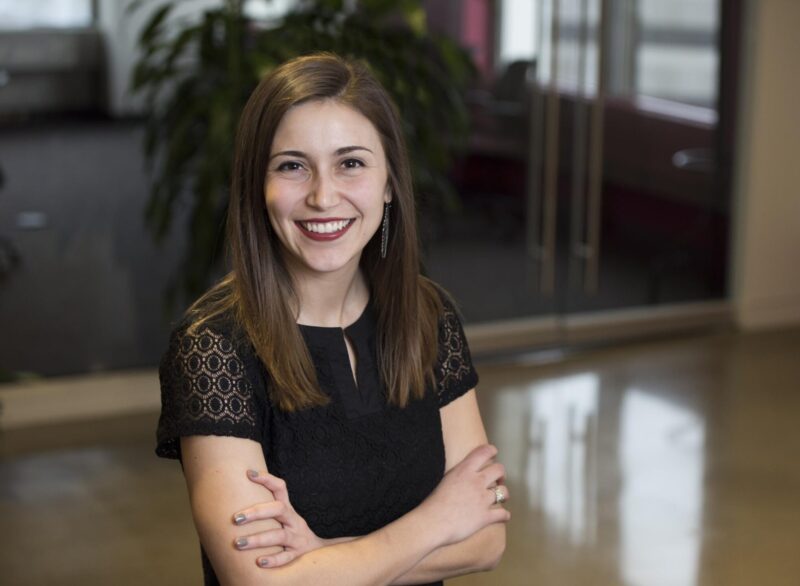
By Mariah Brook, Director of Gift Planning
One of the questions we sometimes hear from donors and their advisors alike is what’s possible when it comes to supporting individuals through their giving.
Many donors are motivated by the desire to connect their generosity directly to people’s lived experiences. They’re curious about how philanthropy can reach individuals in meaningful, responsible ways — often alongside, and through, the vital work of nonprofit organizations.
This curiosity is well placed. Supporting individuals can be a powerful tool, and it also sits within a carefully defined area of tax law that balances generosity, public benefit, and accountability.
So what does this mean in practice? How can nonprofits and community foundations design programs that support individuals while meeting IRS requirements and maintaining strong safeguards?
Rules for Supporting Individuals
In general, the Internal Revenue Code allows nonprofits to help individuals only when the assistance serves a legitimate charitable class and is structured to avoid private inurement or impermissible private benefit. No matter the type of organizations involved, the activity should further charitable giving purposes under Section 501(c)(3), use objective and nondiscriminatory selection criteria and include safeguards to ensure funds are used for charitable ends.
The IRS has made clear that when individuals are involved, the margin for error is smaller, and the process matters just as much as the intent.
Recent private letter rulings have reinforced that for private foundations, the rules are especially strict. Under Internal Revenue Code Section 4945, grants to individuals are treated as taxable expenditures unless a specific exception applies.
Examples of exceptions include scholarships, fellowships, educational loans and certain disaster relief programs — but only if the foundation has obtained advance IRS approval of its grant procedures and if the procedures were in place before grants were made. Good intentions alone do not carry much weight here.
How We Can Support You & Your Clients
Nonprofit organizations, including the Foundation, have more flexibility. While we are not subject to excise taxes under Section 4945, grants to individuals are still analyzed under the operational test in Section 501(c)(3) and the private benefit doctrine. The IRS has long acknowledged that nonprofits can provide direct assistance to individuals for purposes like need-based aid, disaster relief, education, emergency hardship or health related support, as long as the recipients are chosen using objective criteria and the program benefits a charitable class rather than specific insiders. This includes individual assistance programs that are thoughtfully designed and carefully administered.
When it comes to donor advised funds, they are subject to additional statutory rules under Internal Revenue Code Sections 4966 and 4967. The IRS consistently warns that donor involvement in selecting individual recipients can raise serious prohibited benefit concerns.
“The IRS has made clear that when individuals are involved, the margin for error is smaller, and the process matters just as much as the intent.”
Mariah Brook, Director of Gift Planning
This is a lot of information to remember, so here are three takeaways:
- The IRS is consistent that grants to individuals can absolutely be a legitimate charitable activity — but only when they are structured with care, transparency and institutional control from the outset.
- The IRS’s recent focus on procedural rigor shows that compliance problems usually stem from informality or misunderstanding, not bad faith.
- DAFs have additional guidelines about grants made to individuals.
The Foundation looks forward to partnering with you and your clients and are honored to be your first call anytime the topic of charitable giving arises. Reach out to us at 651.244.5463 or email us at philanthropy@spmcf.org.
About the Author
As Director of Gift Planning, Mariah Brook helps individuals and families initiate and express their philanthropic plan to maximize their giving. In her role, Mariah also provides nonprofits the support to start and grow their endowments and works alongside professional advisors to help them achieve their client’s philanthropic goals. The most rewarding part of her job is watching donors be open-handed with the resources they have and the impact it has on community.
Mariah joined the Saint Paul & Minnesota Foundation in 2014 after graduating from the University of Minnesota with a bachelor’s degree in communication studies. She is involved in her community through various leadership and volunteer roles at her church in downtown Minneapolis and serves on the board of a family support center.
The Saint Paul & Minnesota Foundation does not provide tax, legal or accounting advice. Please consult your own tax, legal and accounting advisors regarding your individual situation before engaging in any transaction.More Stories

A Deeper Way to Support Your Client's Philanthropy
Conversations about nonprofit board service can help clients align their nonprofit leadership, values and long-term impact goals.
See the Possibilities
Expanding Possibilities for Charitable Giving
Proposed legislation could broaden Qualified Charitable Distribution planning opportunities.
See the Possibilities
The New Philanthropy Conversation
How to move beyond tax strategies to help families connect their wealth with purpose, legacy and community impact.
See the Strategies
The Philanthropy Trifecta: Charitable Giving Tools to Support Your Client’s Giving Journey
Strategies for making an impact through a private foundation, charitable remainder trust and donor advised fund.
See the Strategies
Corporate Giving: Advising Businesses in a New Era
Learn how your clients can make the most out of corporate giving with the new charitable deduction rules.
See How
Where Purpose, Planning and Minnesota Communities Come Together
How the Saint Paul & Minnesota Foundation helps advisors and clients align generosity with lasting community impact.
See How
Women Are Reshaping Philanthropy — And the Future of Giving
Studies show women are driving charitable decisions, giving more collaboratively, and shaping the future of philanthropy through empathy, engagement and strategic planning.
See How
A Unified Approach to Planned Giving
Even the strongest team of advisors can leave clients with fragmented plans unless tax, legal and financial professionals can work together intentionally.
See the Approach