Holding Hope When It Matters Most
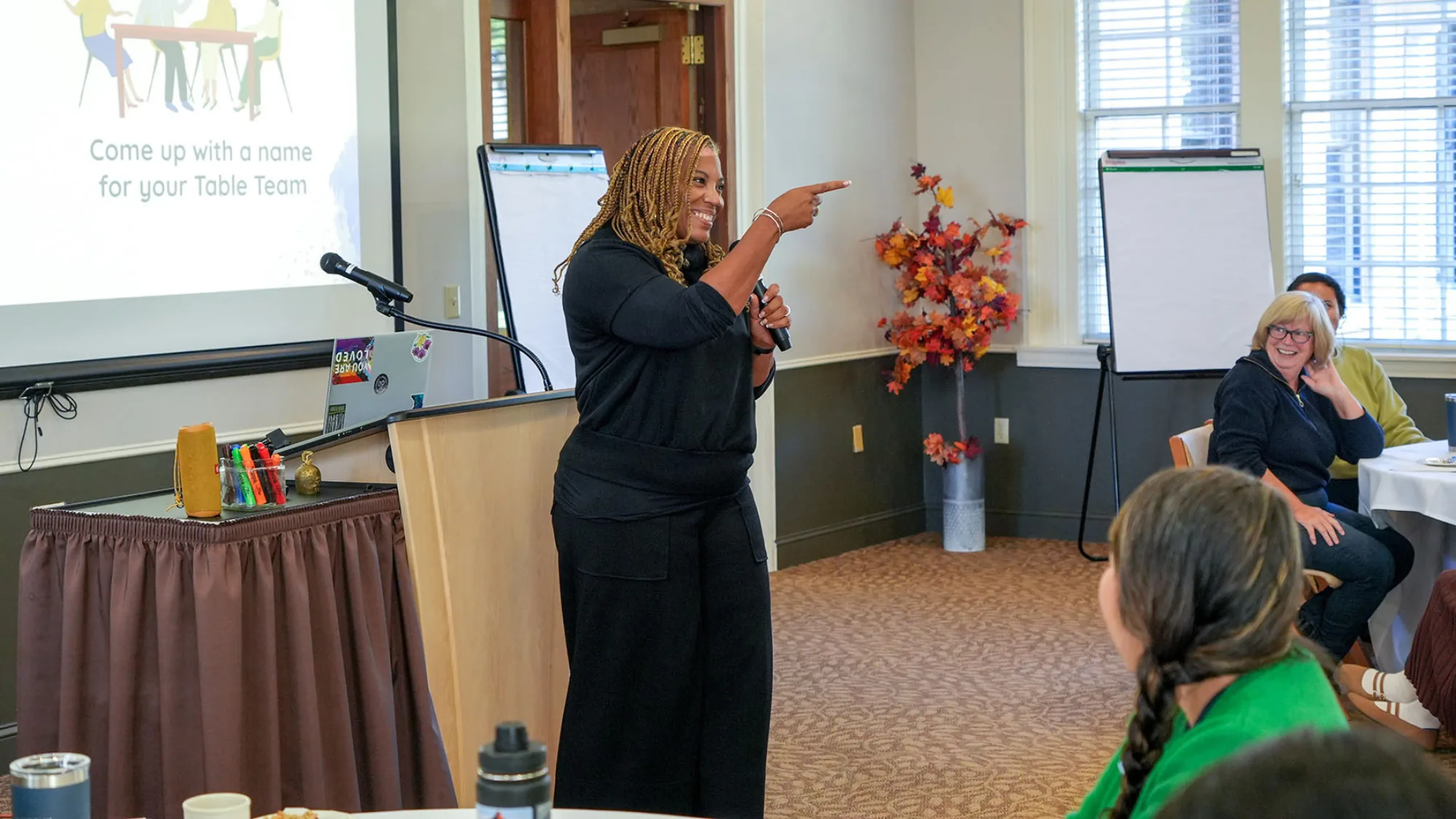
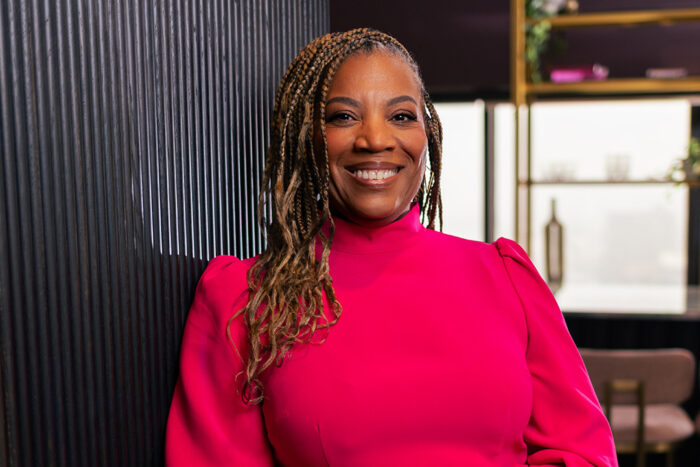
Saint Paul & Minnesota Foundation’s president and CEO shares how humility, hope and deep relationships guide her leadership.
For a foundation deeply rooted in the well-being of its people, leadership begins not with a proclamation, but with a presence. Over the past several months, including a chapter defined by the painful disruptions of Operation Metro Surge — our focus has been on listening to the needs of communities across Minnesota.
In this reflection, our president and CEO Chanda Smith Baker explores the responsibility of "holding hope" while building an infrastructure for rapid response, growing philanthropy through collective investment and fostering a future where our communities thrive.
You’ve been in this role for under a year, during a historic and painful chapter in Minnesota’s history shaped by recent ICE activity. As a new leader, how do you reflect on this moment?
When I stepped into this role, people asked me what I planned to change. It’s a fair question for any new leader. But the honest answer is that I came here to listen first.
Over the last six months, I’ve spent time in communities across the state — in living rooms, at grantee tables, and in conversation with donors and civic leaders. I’ve heard what people are proud of and what keeps them up at night.
And, yes, this has been a challenging time to step into a leadership role. Yet I came into the role expecting complexity. I didn’t know exactly what issues I would face, or the intensity of the issues, but I know community — and that makes a difference.
This moment has required leadership from every person at the Foundation, not just from me. What’s unique about our work is that there’s very little separation between who we are and what we do. We're constantly holding three things at once: the complexity of the moment we’re living through, the complexity of our own leadership and the complexity of the organization we're guiding.
As a leader, the challenge is to bring out the best in yourself, your team, and the institution — all at the same time. And that’s what I’ve been focusing on these last few months.
You often talk about “holding hope,” even when things are hard. How do you think about hope as a leader, and how do you help others hold onto it?
Hope, for me, is necessary fuel. It’s not optimism for its own sake — it’s what allows us to keep moving toward progress.
Every day I come to work hopeful, knowing that we made a difference. Knowing that our investment in a school, organization, program or family helps someone see that tomorrow can be a new day, often provides the hope necessary to get through tomorrow.
As leaders, we have to show people how we make it through difficult times. You can only do that authentically if you truly believe those times won’t last forever.
At the Foundation, we also carry a real responsibility: to listen to community, to stand in solidarity with community and to invest in community ideas that already exist. And so, even when we want to sit down, it is critical to remember that we have a responsibility.
I sometimes say, “The revolution must be funded.” Whatever we aspire to accomplish requires follow-through, accountability and sustained investment — especially when it’s hard. Whatever we’ve committed to, we need to accomplish because we've made a commitment to our community, including our donors. And we have a responsibility to fulfill that commitment — even, or especially, when it's hard.
“Hope, for me, is necessary fuel. It’s not optimism for its own sake — it’s what allows us to keep moving toward progress.”
Chanda Smith Baker
You moved quickly to create a Rapid Response Fund and to make some of our other funds more accessible to the community. How do you think about both the ways we invest in the community and how we invite others to join us?
I believe the more tools we have for investing in community, the more people can enter into a relationship with us.
There are many generous Minnesotans — and people across the country who care deeply about Minnesota — who may not be ready to open a donor advised fund but absolutely want to give. Funds like the Community Leadership Fund, Community Sharing Fund and Rapid Response Fund allow people to pool their dollars, act quickly and participate in change at a scale they couldn’t reach alone. In that way, these funds help us democratize philanthropy.
During this recent period, we were able to stand up and deploy funds through the Rapid Response Fund within days; this wasn’t because we built something new overnight. It was because relationships were already in place. Trust had already been earned. Systems were already designed to move quickly.
Crisis response allows us to support immediate needs like food, health and housing. However, as a Foundation, it is important that we support the community along a continuum of need. Programmatic investments sustain work that is already making a difference every day. And systems change work is longer-horizon — it’s about shifting policies, practices and structures that create or reinforce inequity. All three are necessary, and our responsibility is to steward vehicles that can support each of those layers.
You’ve led through several difficult chapters in Minnesota’s recent history. As we enter a recovery phase, what do you hope we avoid repeating?
For years, communities have been saying that systems are broken. When we fail to respond with urgency and investment, these warnings culminate into tragedies. What we experienced recently with ICE in our communities, or even with the murder of George Floyd, didn’t happen overnight.
It's important that we see our communities as interconnected. And at times that are highly emotional, it is important to stay strategic.
Every crisis offers an opportunity to understand an issue, a community, or neighborhood from a different point of view. And, if we choose to lean into it, to expand our own perspectives and our understanding, we can surface more sustainable solutions.
As we consider what we don’t want to repeat, we can also look at what should be repeated. This moment has revealed how much agency we each have — individually and collectively — to act.
“It's important that we see our communities as interconnected. And at times that are highly emotional, it is important to stay strategic.”
Chanda Smith Baker
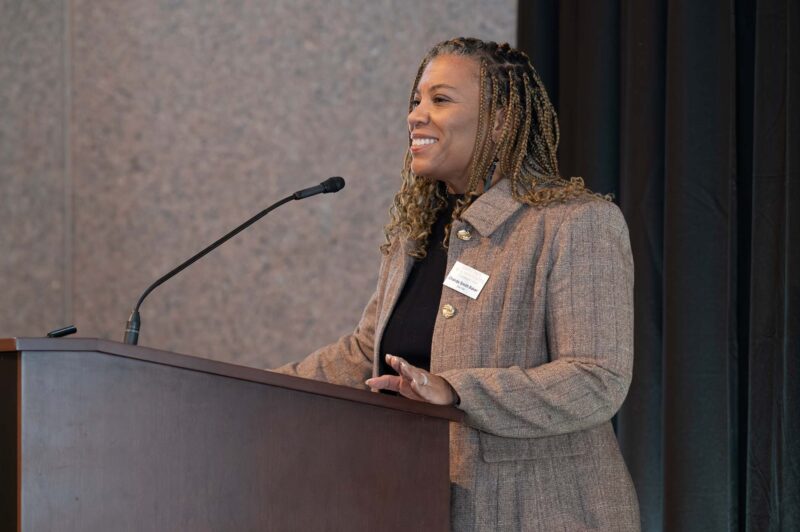
That's a great transition to my last question. Over these last months, we’ve seen chaos in Minnesota but also remarkable community response. What does this say about Minnesota and the people who live here?
I really loved the opportunity to see a place I know so well with new respect and, honestly, new love — that’s what emerged for me. I don’t know, deep down, if I was surprised. But the narratives that divide us are always so immediately available. And so, it has felt like a real privilege to watch us come together.
I felt deep pride moving around the country and to have people reaching out. They were not centering the issue that made us stand up in the first place, but instead talking about the strength of Minnesotans and wanting to learn from us. This was a really clear demonstration of how we can change the narrative when we’re determined and collective about what it is we’re trying to do.
And as I reflect on what this means for our work, we are building a foundation that operates as community infrastructure — not just a grant maker; one that measures success by the strength of the communities we serve, and one that leads by investing in the people who are already leading. This foundation belongs to the community, and I intend to lead it that way.
Meanwhile, the work of the Foundation continues. What are you and the team focused on right now?
We have a lot going on.
Bush Prize: Minnesota opened in April. We implement this statewide grant program with our partners at the Bush Foundation. The grants recognize organizations that are consistently engaging with and leading their community toward creative solutions. Through our Rapid Response Fund, we continue to fund community-led response and business recovery in the face of the disruptions created by the federal presence in Minnesota. We’ve also raised over $25M to invest in communities across the state through our new Future Ready and Momentum Minnesota Investment portfolios, which we will officially launch in June. These are just a few highlights.
We’ve also been learning and reflecting together. As a team, we are currently reading “Unreasonable Hospitality” by Will Guidara. Reflecting on concepts in the book, we’ve been asking: What does it mean for us to have an unreasonable imagination? What does it mean to have an unreasonable customer service orientation in a moment that pulls us toward more automation?
I believe having this conversation in the context of our sector will lead us to consistently ask: How can we be better partners? How can we be in deeper relationship? How can we gain more understanding?
I believe that in all moments, we have an opportunity to be unreasonable in the pursuit of connection.
More Stories
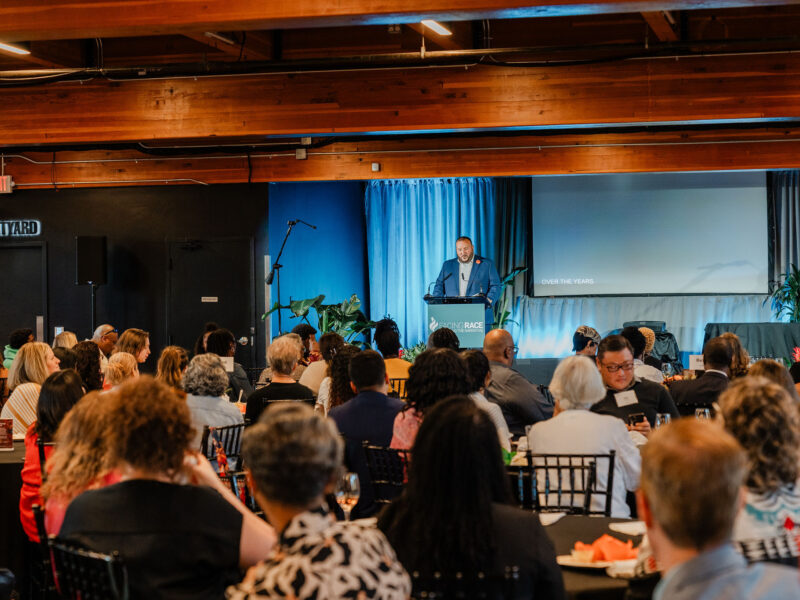
Honoring Two Decades of Courage, Leadership and Racial Justice
What began as a bold commitment to naming and addressing racism has grown into a celebration of the people, partnerships and movements creating a more just Minnesota for all.
Learn More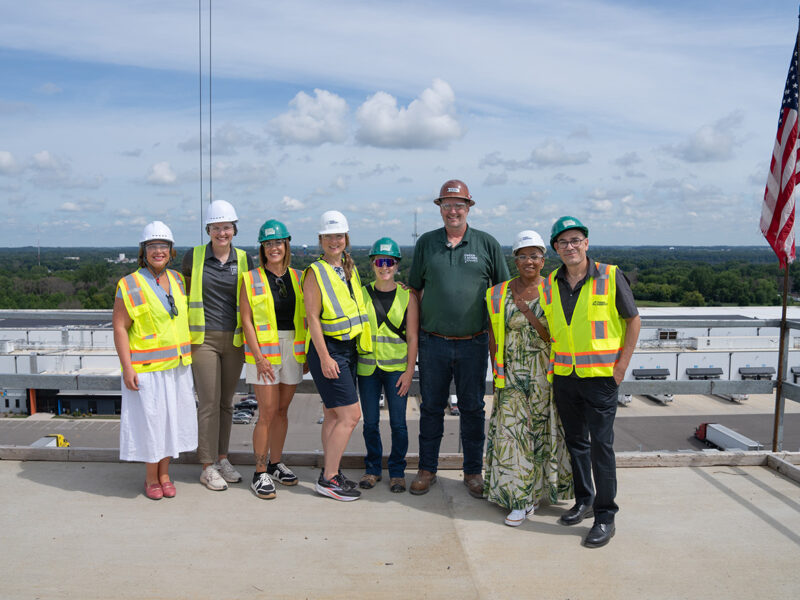
Saint Paul & Minnesota Foundation Helps Build a New Future for Rural Minnesota
Learn how the Foundation's investment in Green Acres Milling is creating financial opportunities for the city of Albert Lea
Meet Green Acres Milling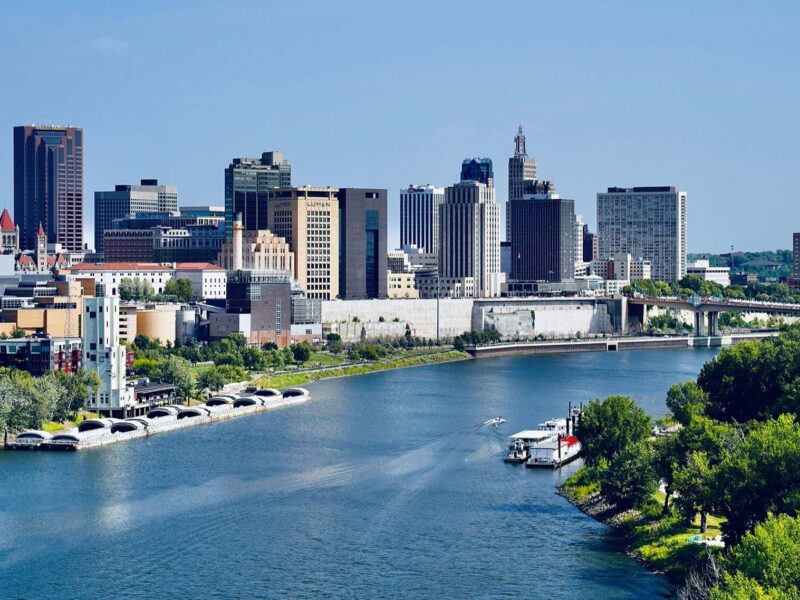
Downtown Saint Paul Draws $15 Million Commitment from Foundation
The Foundation joins Securian Financial and the Bush Foundation in backing downtown’s redevelopment and takes seats on the governing bodies directing the work.
See the News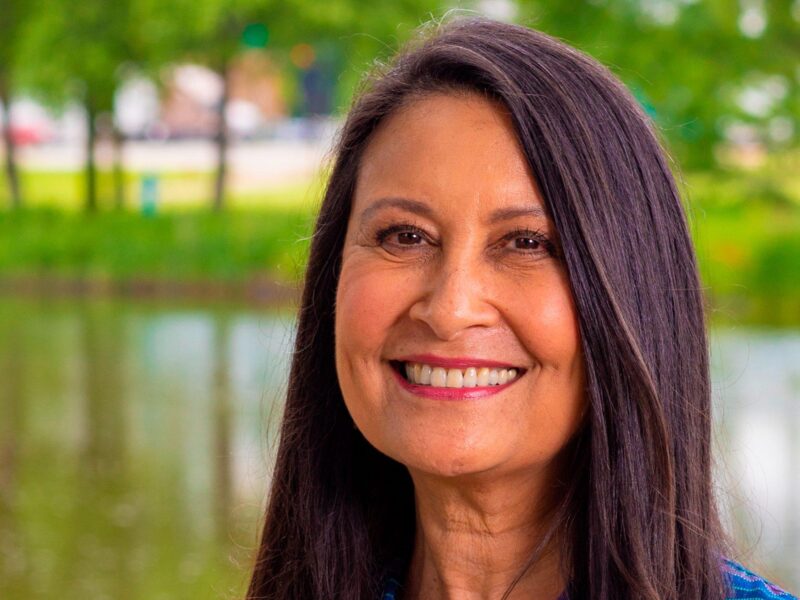
Turn Financial Milestones into Meaningful Change
Whether you're planning for a business transition, retirement or another major life event, thoughtful philanthropy can help translate success into community.
See How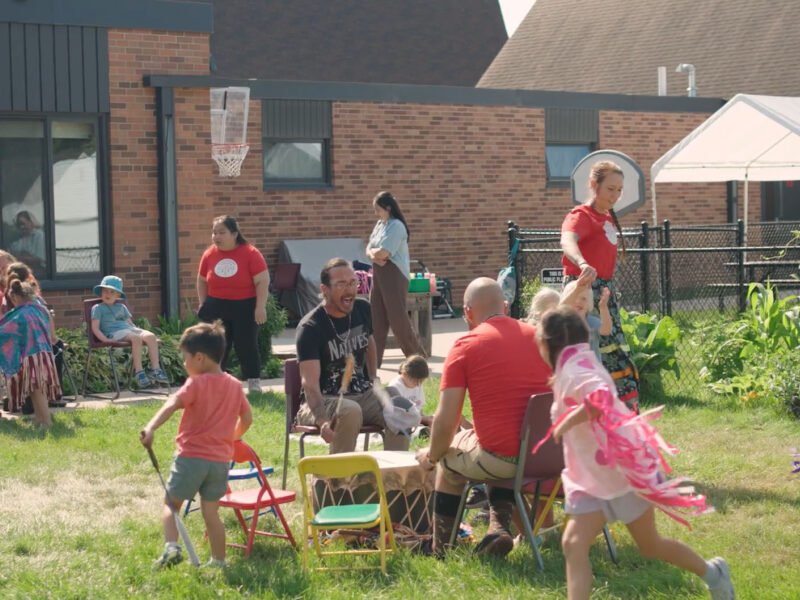
Early Childhood Education That Nurtures Self Love & Identity
Montessori American Indian Childcare Center is helping children build confidence while strengthening community connections, Indigenous culture and language.
Watch the video
A Local Partner for Your Giving Journey
Learn how a simple transfer to the Saint Paul & Minnesota Foundation can help you deepen your community impact and grow your giving.
See the Ways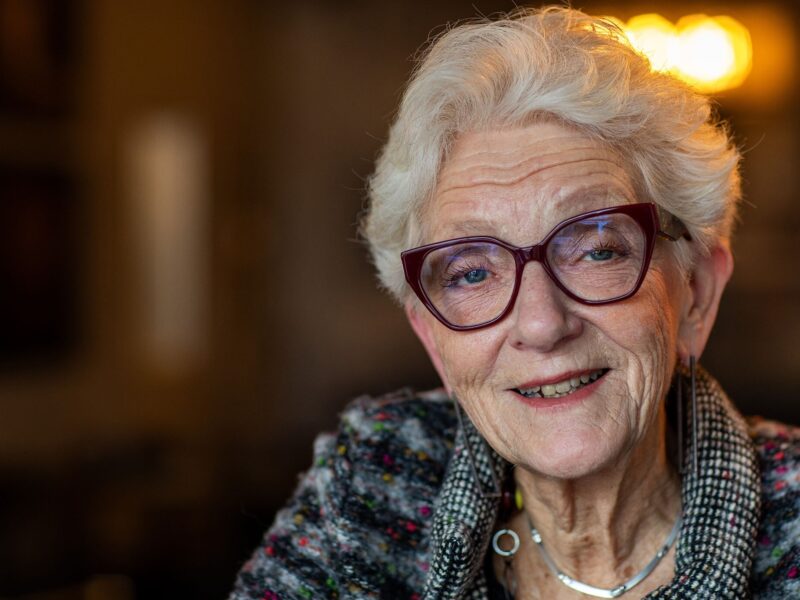
A Legacy of Learning and Opportunity
Through philanthropy, public service and global advocacy, Marlene Johnson is helping young people thrive.
Meet Marlene
The Power of Possible
Power of Possible is a new campaign celebrating the people, partnerships and ideas that help communities thrive.
See the News