Building What’s Possible — Together
What we learned about community leadership, partnership and shared purpose from the Atlanta housing exchange.
By Alfonso Wenker, Senior Vice President of Community Impact
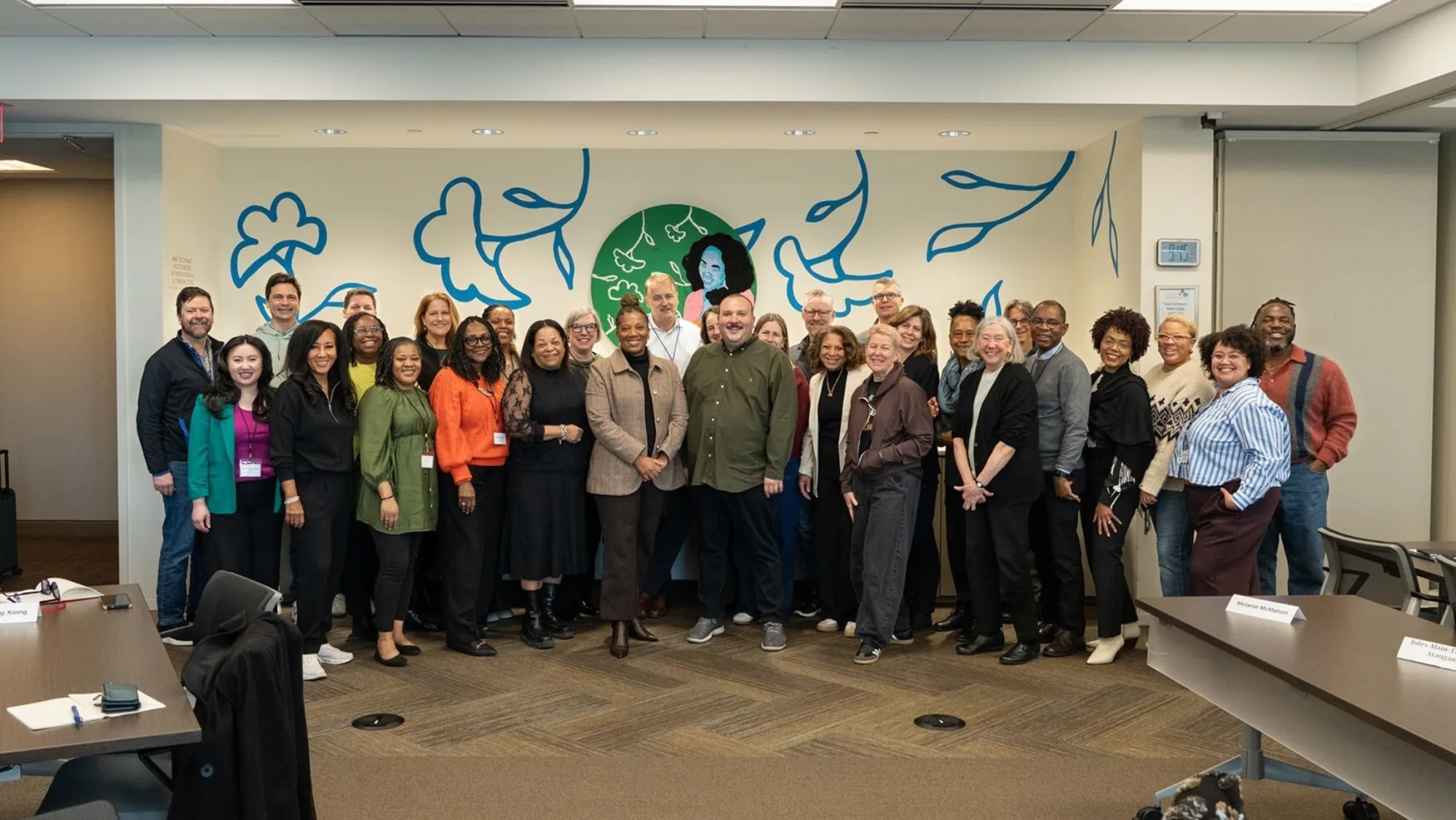
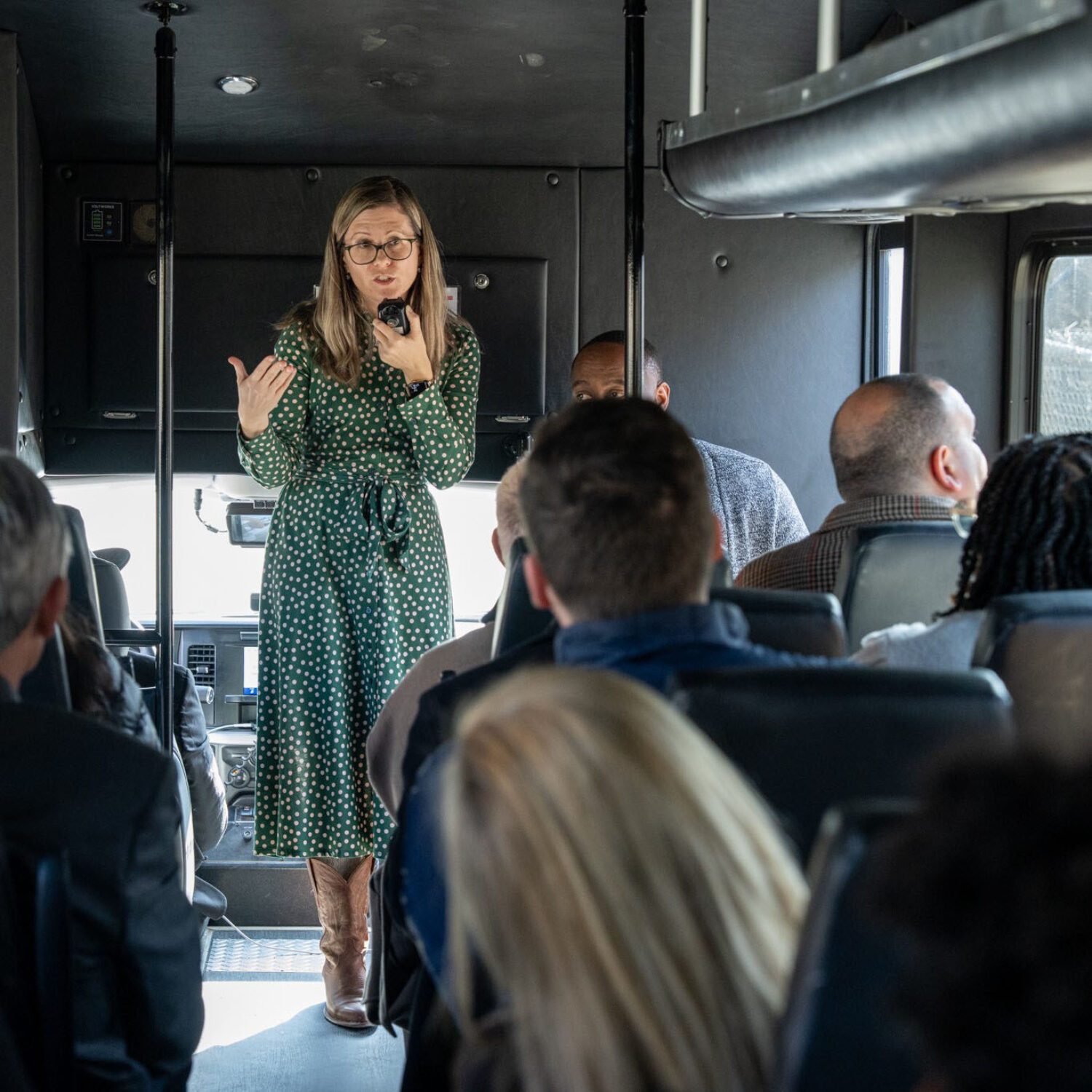
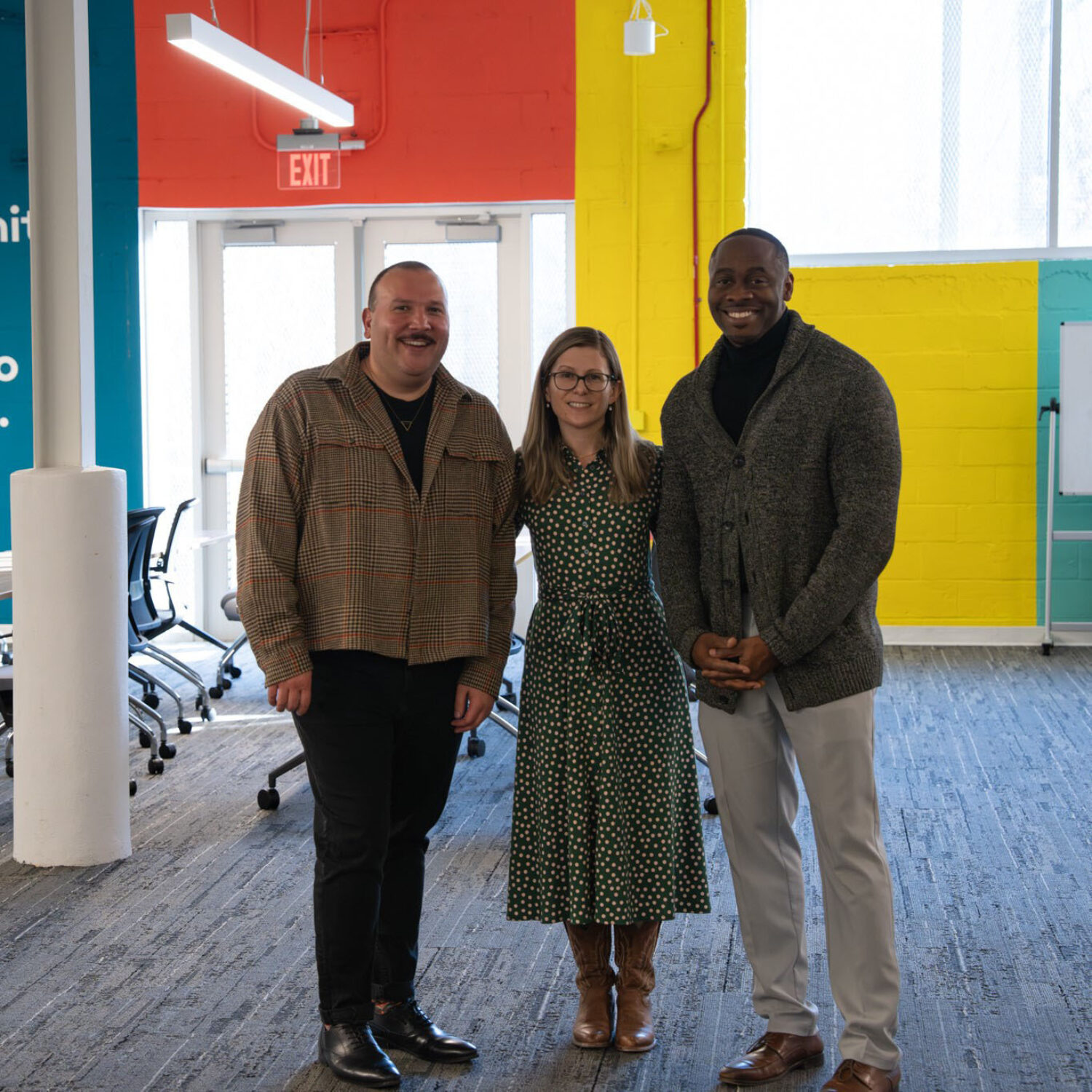
In early February, a delegation of cross-sector leaders from Minnesota traveled to Atlanta for a three-day housing learning exchange.
We came as funders, public officials, nonprofit leaders, developers and system partners, united by a shared question:
What does it actually take to produce and preserve affordable housing at scale?
Importance of Aligned Partnership
Atlanta did not offer us a single program to replicate or a silver-bullet financing tool. What they showed us was something more powerful. They showed us a system. And they reminded us, over and over again, that housing is a group project.
One of the first things we heard was that their progress began with alignment. Years ago, the work in Atlanta was fragmented. Organizations were working hard, but not together. So, leaders across sectors came to the same table and did something deceptively simple. They defined the problem together. They agreed on the terms. They built a shared vocabulary and a shared narrative.
Today, whether you are speaking with the mayor’s office, a corporate investor, a nonprofit developer or a philanthropic partner, housing is framed in the same way. It is about economic competitiveness. It is about workforce stability. It is about the quality of life. That shared language has created shared action and a sense of collective ownership that moves the work forward even as political and market conditions change.
Establishing a Solid Infrastructure and Ecosystem
At the center of this ecosystem is HouseATL, not as the owner of the work, but as the convener, translator and connector. Through structured working groups, a funder’s collective and a coordinated project pipeline, they have built the infrastructure for collaboration. Funders learn together. Public agencies align their tools. Projects move faster because relationships already exist. The mayor sets the goal and the ecosystem delivers. This is not an informal collaboration. It is designed, staffed, and resourced.
Every conversation came back to the same point. This is long-term work built on trust. Trust allows partners to move at the speed of opportunity, to align capital, to take coordinated risks, and to share decision-making. It is why new investment has flown into their housing system. It is why impact funds work. It is why public and private partners sit at the same governance tables. They have invested in relationships with the same seriousness that most regions invest in financing tools.
The Value of Community Investment
Atlanta has also made a clear and public commitment to results.
The city has set a measurable goal for affordable homes and aligned public agencies around delivering on it. There is dedicated leadership focused solely on housing and a cross-agency structure that coordinates land, capital and policy tools. Housing is not one priority among many. It is central to the city’s future. That focus on execution is reinforced by strong civic and philanthropic alignment and a shared understanding of what success looks like.
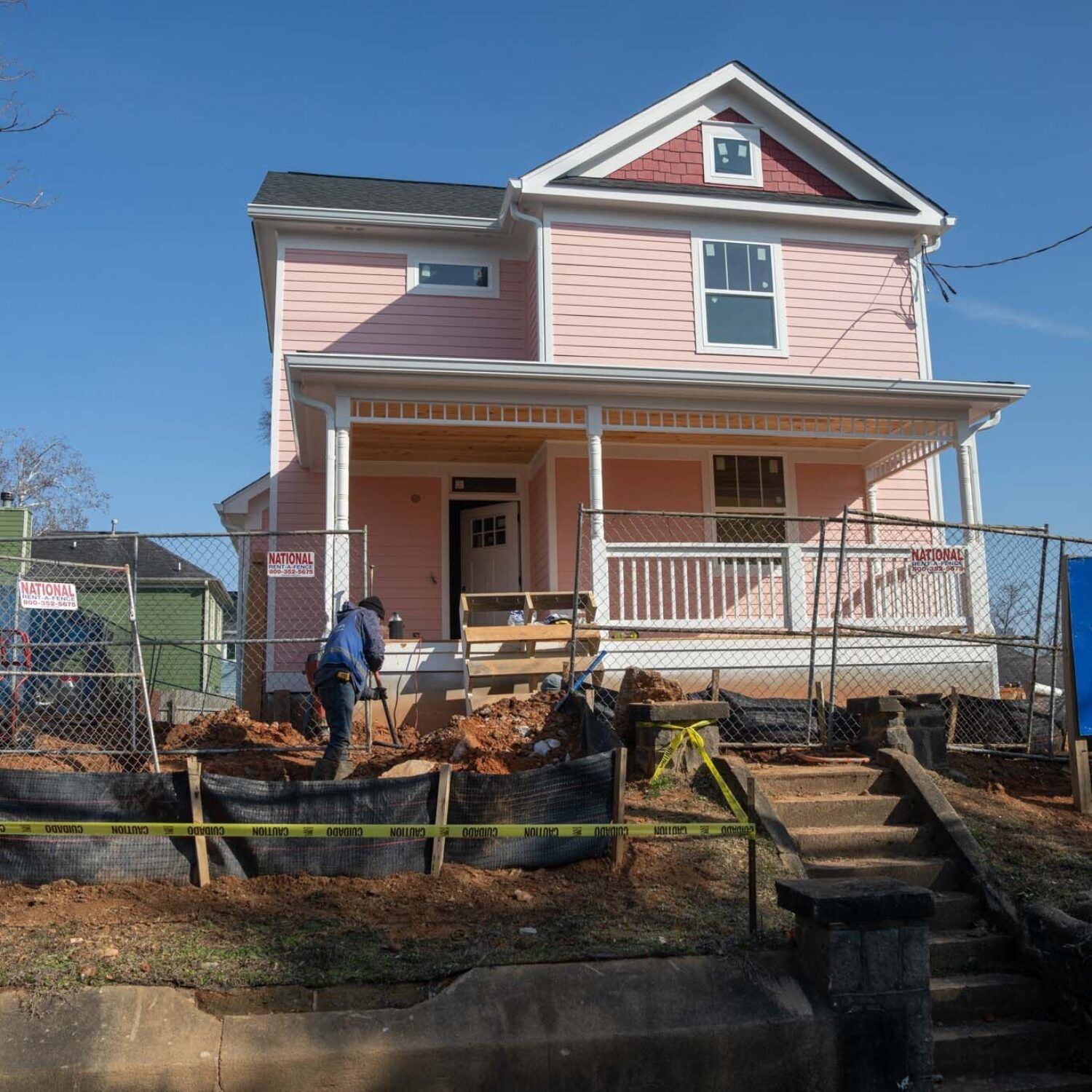
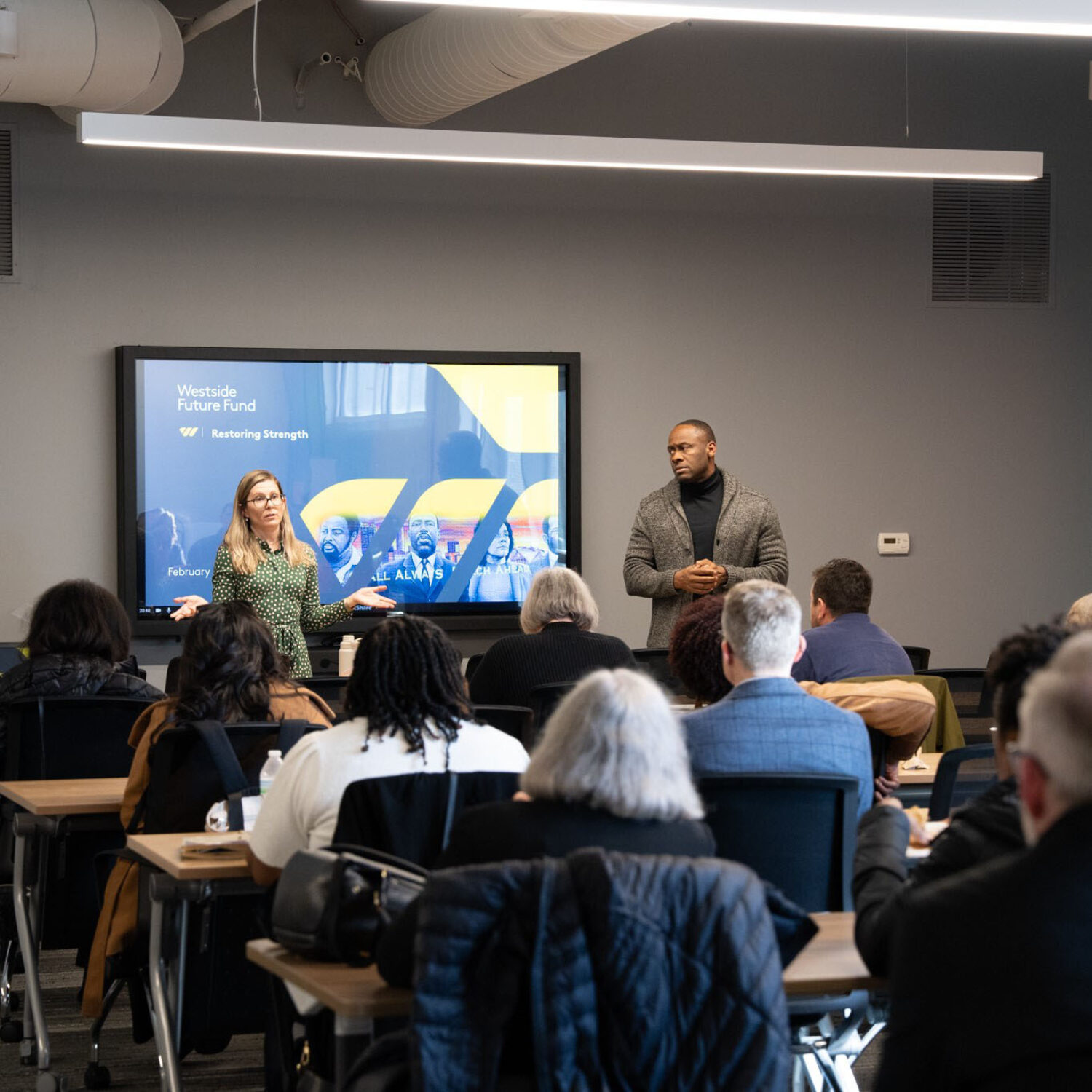
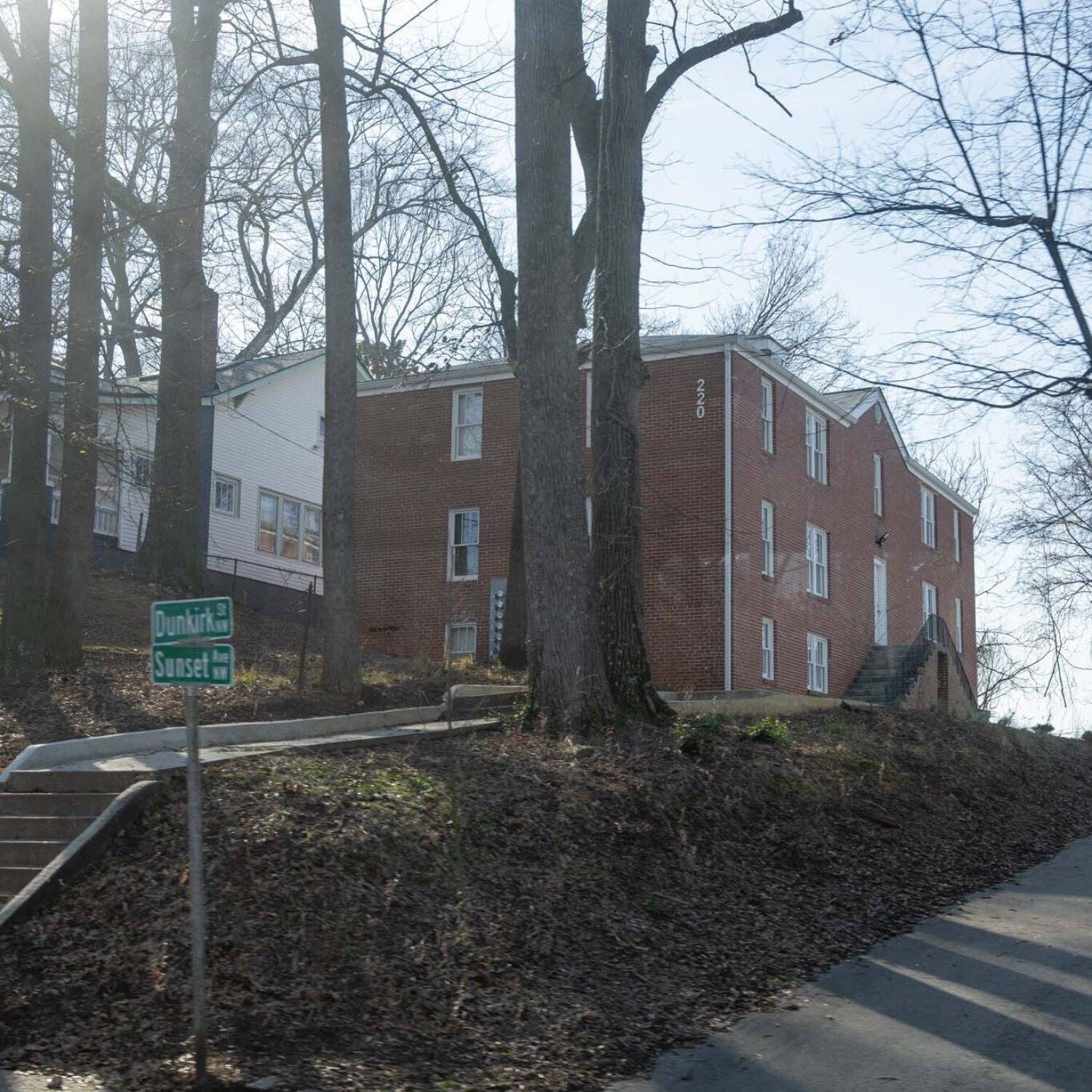
Our time on the Westside made the work real in a different way. This was not a conversation about units. It was a conversation about people, history and trust. We heard how the work first began with a needs assessment and a commitment to build relationships long before construction. We saw what it means to assemble land strategically, to focus on mixed-income communities and to define success not by buildings, but by whether long-time residents can stay and thrive.
The phrase that stayed with many of us was development without displacement. Westside Future Fund described their role as a community quarterback, aligning partners, amassing resources, and helping the neighborhood build the power to shape its own future.
It was a powerful reminder that housing systems are ultimately about people and place.
We also heard candidly about the pace and scale required to do this work. Development moves at the speed of the market. Raising debt and equity requires different strategies than traditional grantmaking. Nonprofits have had to build new partnerships and new capacity to operate in this environment. Preservation emerged as a major opportunity during moments of crisis, and regional thinking became essential as the work expanded beyond the city.
“It was a powerful reminder that housing systems are ultimately about people and place.”
Alfonso Wenker
Affordable Housing is a Group Effort
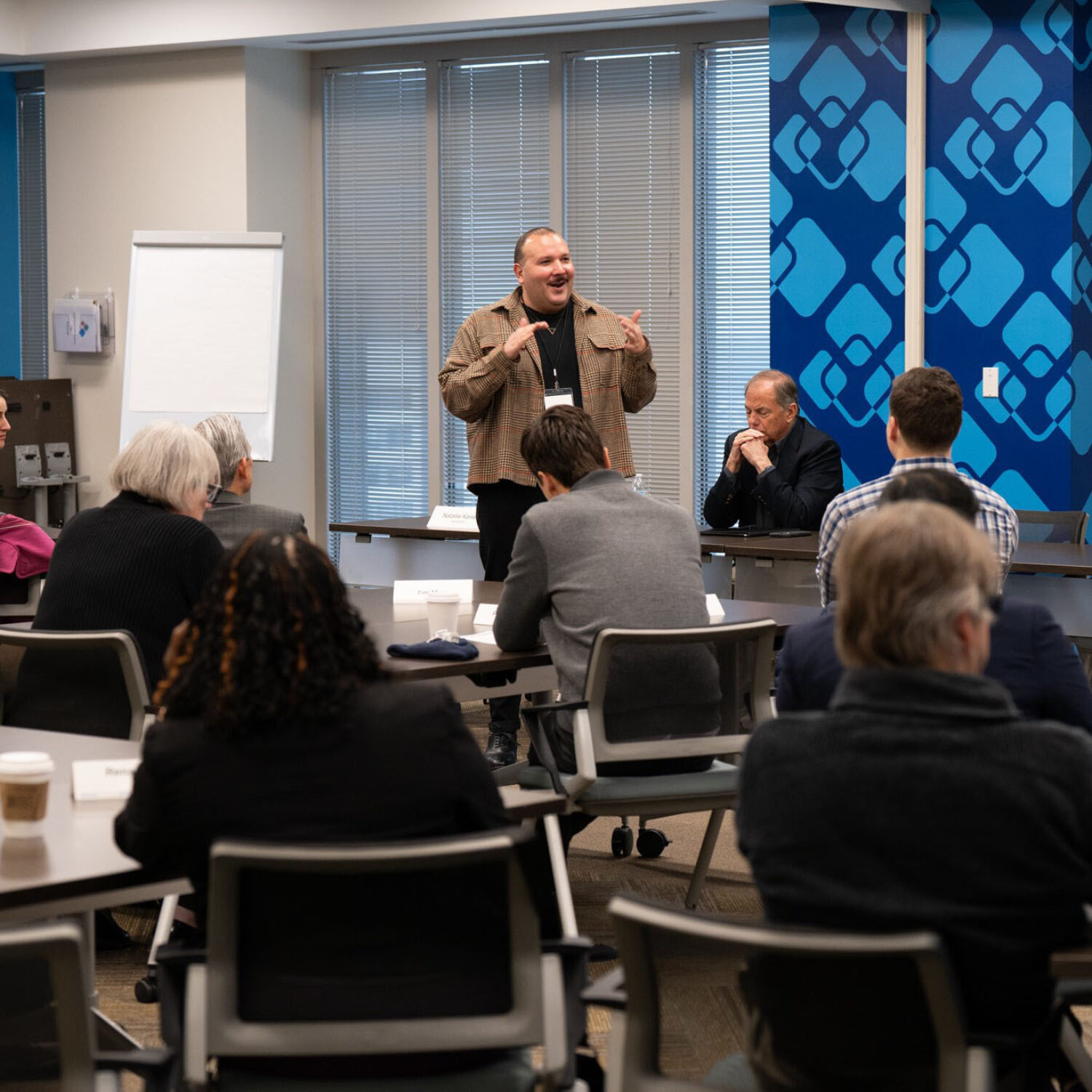
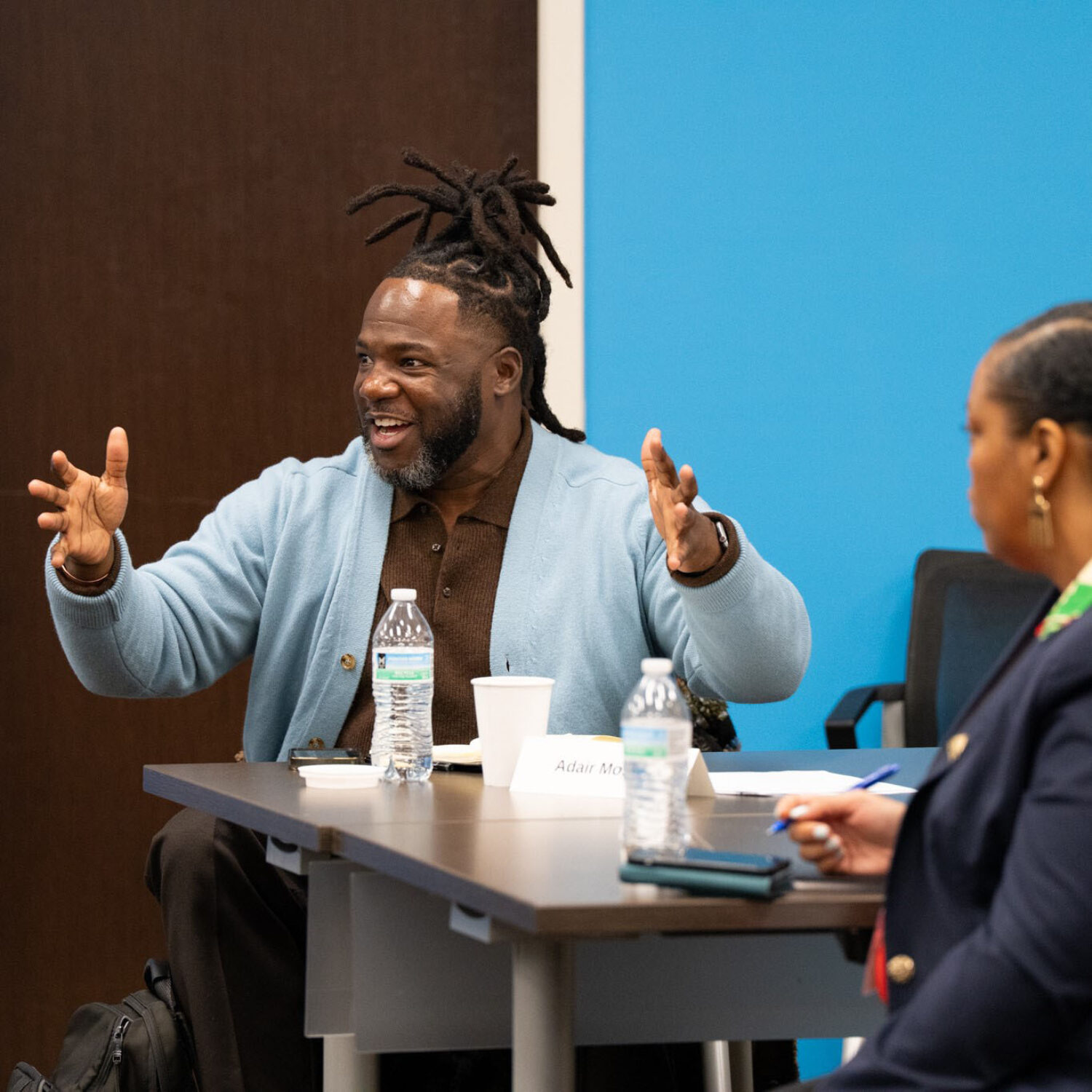
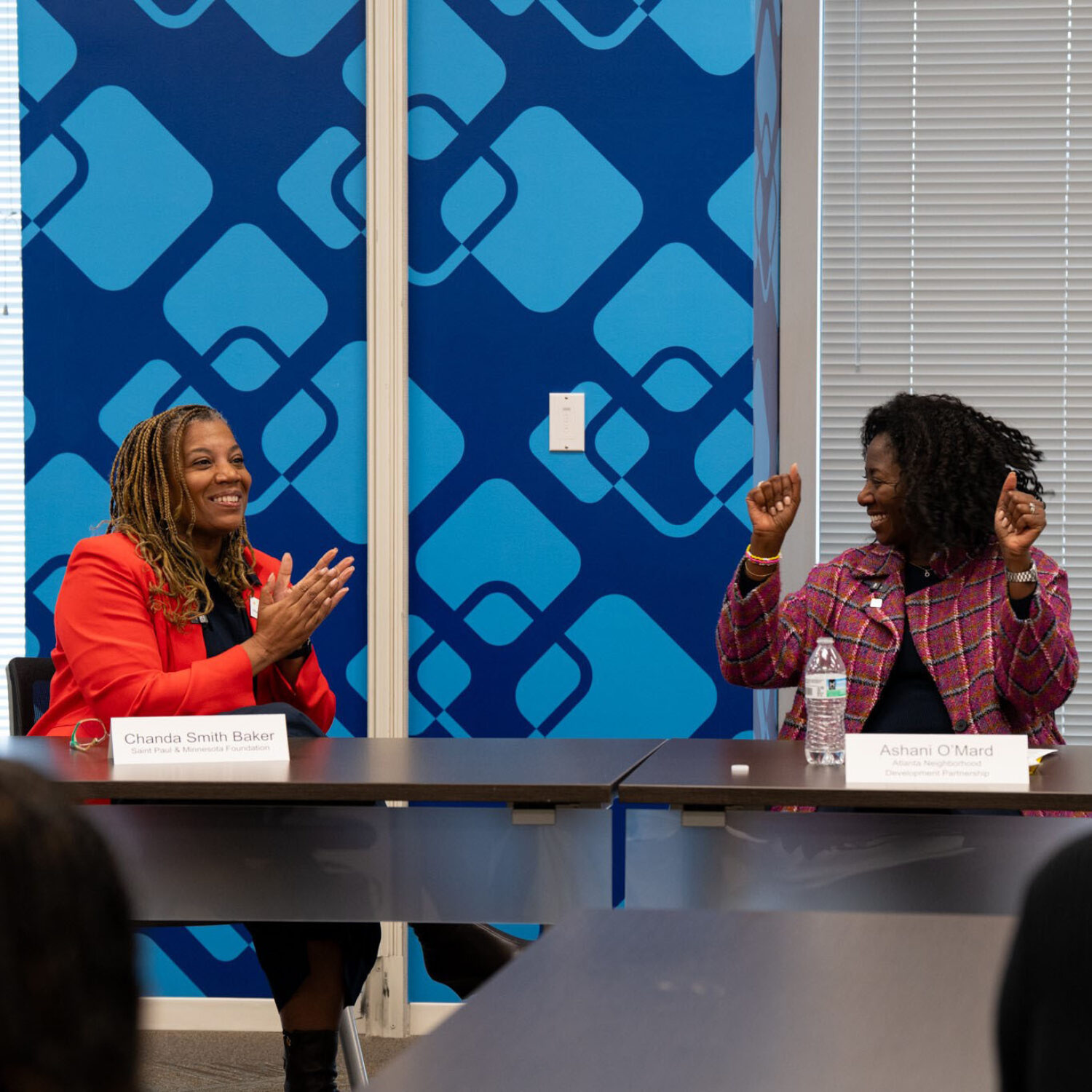
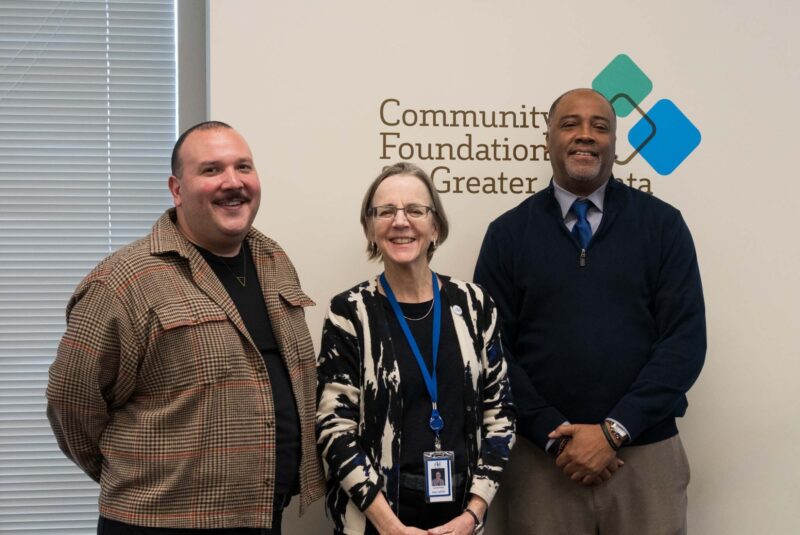
In our closing session, our delegation reflected together on what we experienced. We talked about the power of visible leadership, the discipline of shared goals, the role of trust in accelerating production, and the need for execution rather than more planning. We talked about the importance of partners beyond the housing sector and the influence of soft power, relationships, shared narrative and common purpose.
What made this exchange meaningful was not only what we learned from Atlanta, but how we learned together. Traveling as a cross-sector group created space for new relationships, deeper understanding and a shared sense of responsibility. We were able to see our own work more clearly by stepping outside of it and experiencing another region’s approach as a collective.
Atlanta’s progress is not the result of one fund, one policy or one organization. It is the result of a shared language, a shared table, clear roles, long-term relationships and a commitment to execution. It is a system designed for partners to deliver results together.
Because in Atlanta, and now for all of us who made the trip, housing is a group project.
In 2025, F. R. Bigelow Foundation, Mardag Foundation and the Saint Paul & Minnesota Foundation launched the Our Home State Grant Program to support organization and programs that provide pathways to affordable, quality housing and/or address homelessness available this summer.
About the Author
Alfonso Tomás Wenker (he/him) is a seasoned social sector strategist with deep experience in racial equity, community philanthropy, and organizational development. His work is to ensure the Foundation's community impact grants and programs are informed by and responsive to our communities in partnership with our community impact team. He also gets to work across the executive leadership team to think with his peers about how the Foundation uses their voices and resources to advance community-defined solutions.
Alfonso began his career as a student organizer working on LGBTQ+ inclusion across Minnesota’s private colleges. Born and raised on the West Side of Saint Paul, Alfonso is deeply committed to resourcing leaders across communities to build thriving and equitable communities. Alfonso has served as a philanthropic leader through his roles at the Bush Foundation, PFund Foundation, Minnesota Council on Foundations and the Trillium Family Foundation board of directors.
Alfonso has been recognized by Minneapolis/St. Paul Business Journal as a 40 under 40 leader, Lavender Magazine with LGBTQ leader award, and by the Saint Paul & Minnesota Foundation with a Facing Race Award. Alfonso lives with his partner David and outside of work enjoys trying out new recipes, singing in a very amateur cabaret group and spending summer weekends on the pontoon.
More Stories

Moving Money from Wall Street to Main Street
The Foundation's new investment portfolios are creating opportunities for investors and strengthening communities across the state.
Learn More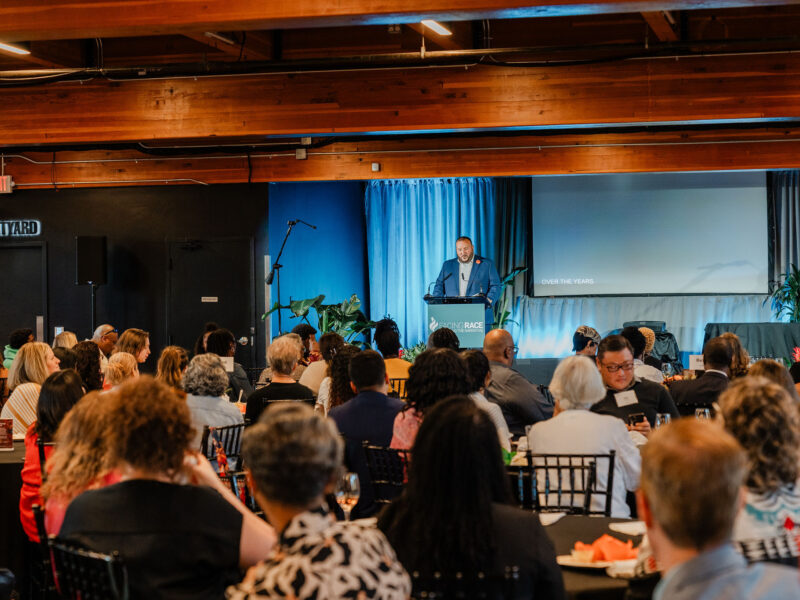
Honoring Two Decades of Courage, Leadership and Racial Justice
What began as a bold commitment to naming and addressing racism has grown into a celebration of the people, partnerships and movements creating a more just Minnesota for all.
Learn More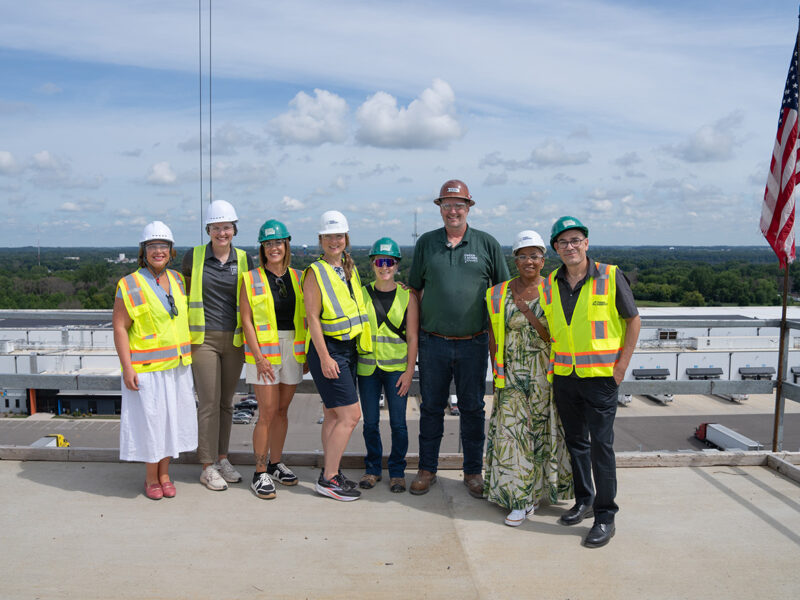
Saint Paul & Minnesota Foundation Helps Build a New Future for Rural Minnesota
Learn how the Foundation's investment in Green Acres Milling is creating financial opportunities for the city of Albert Lea
Meet Green Acres Milling
Downtown Saint Paul Draws $15 Million Commitment from Foundation
The Foundation joins Securian Financial and the Bush Foundation in backing downtown’s redevelopment and takes seats on the governing bodies directing the work.
See the News
Turn Financial Milestones into Meaningful Change
Whether you're planning for a business transition, retirement or another major life event, thoughtful philanthropy can help translate success into community.
See How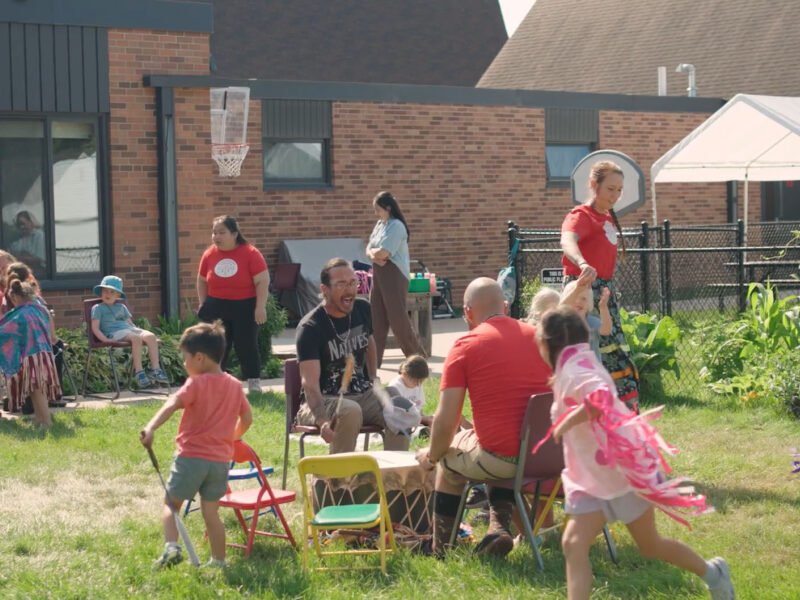
Early Childhood Education That Nurtures Self Love & Identity
Montessori American Indian Childcare Center is helping children build confidence while strengthening community connections, Indigenous culture and language.
Watch the video
A Local Partner for Your Giving Journey
Learn how a simple transfer to the Saint Paul & Minnesota Foundation can help you deepen your community impact and grow your giving.
See the Ways
A Legacy of Learning and Opportunity
Through philanthropy, public service and global advocacy, Marlene Johnson is helping young people thrive.
Meet Marlene