Caring for Pets When Families Need It Most

From food shelves to veterinary care, Minnesota nonprofits are responding to the ripple effects of immigration enforcement.
By Chris M. Garner, Communications Specialist
The federal immigration surge in Minnesota has not only affected immigrant families, but their pets as well. Detainments and deportations of our immigrant neighbors have led to an increase in abandoned pets, leaving them in need of food and care.
When people are struggling to pay rent, food, utilities and healthcare, it can feel like animal welfare is a “luxury issue,” said Community Impact Partner, Gina Kaeppe. “However, caring about animals during difficult economic times is not separate from caring about people.”
That’s why organizations like The Bond Between and My Pit Bull is Family have each shifted the ways they support families and their pets during these unsettling times.
“We’ve seen an increase in surrenders and animals entering shelters,” said Rachel Mairose, executive director of local animal rescue The Bond Between. “Before we were seeking out puppies, and now there are puppies coming in every week. When people don't have the resources to provide health care or even food for their families, the last thing they are worried about is neutering their pets.”
The Bond Between, which focuses on building human and animal relationships, is one of the many statewide organizations the Saint Paul & Minnesota Foundation has supported through the Nordberg McDonald Fund, the third largest supporter of animal welfare in the state. Since the planned gift of Steve Nordberg and Betsy McDonald was realized in 2023, it has made nearly $400,000 in grants to animal welfare organizations like Pet Haven in Saint Paul, Great Lakes Aquarium in Duluth and Gopher Campfire Sanctuary in Hutchinson.
In addition to The Bond Between and My Pit Bull is Family, the fund recently granted to Ice Hurts Animals, Too; a new group specifically dedicated to providing food, homes and veterinary care to pets of families impacted by ICE.
“When people don't have the resources to provide health care or even food for their families, the last thing they are worried about is neutering their pets.”
Rachel Mairose, executive director of The Bond Between
Feeding Pets & Their Families
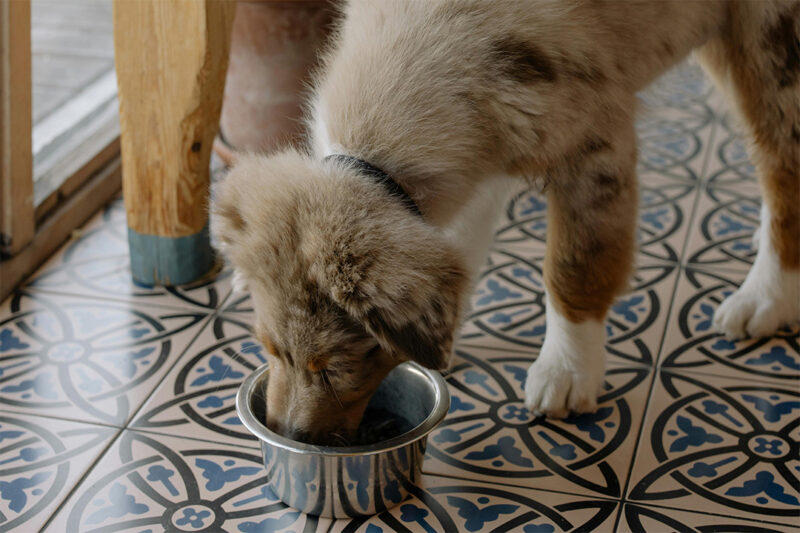
My Pitbull is Family has been making sure families are supported at “both ends of the leash.”
“Since the occupation of ICE, we have launched the North Side People's Pantry, a full-fledged food shelf delivering human groceries and pet food to somewhere between three and 500 families a week,” said Shannon Glenn, executive director of My Pit Bull is Family. “As families are unable to leave their homes, providing everything from tortillas to pet toys, making sure that families have what they need.”
Both organizations have made it their mission to provide pets and their families with everything from shelter, proper veterinary care, rental assistance, foster care and food.
More Than Kibble and Bits
“For many immigrant families, pets provide emotional support and stability in the face of intense stress, fear and loss,” Gina said.
Because of the Nordberg McDonald Fund, My Pit Bull is Family was able to help Tommy, a cat impacted by the ICE raids and suffering from intestinal blockage relocate to Honduras.
“Tommy was a blocked cat,” Shannon said. “So, the family reached out to us, and after three surgeries for this one cat, he was healthy enough to travel with them to start their new life. We were able to make sure that that cat could stay with the family, because without him, the family would have had a really hard time with that transition beyond the hardship that they're already experiencing.”
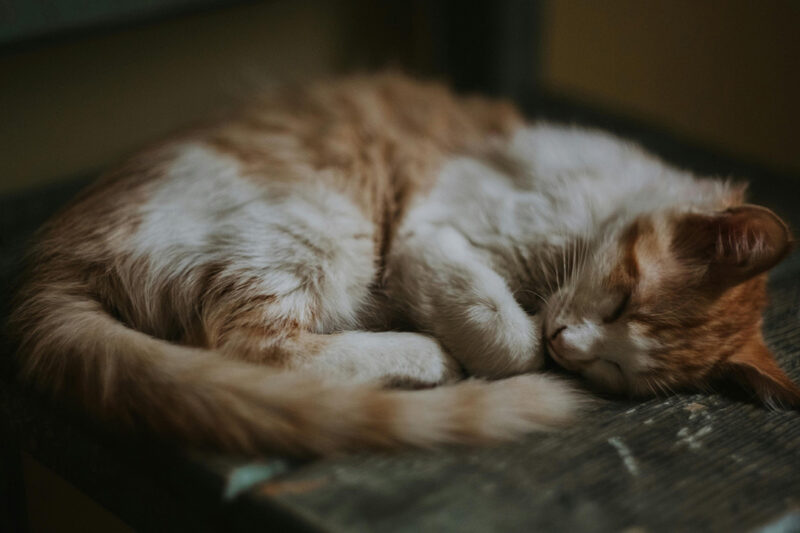
To ensure pets stay with their families, The Bond Between has been offering respite services. What initially started as care for individuals who’ve experienced domestic violence, are unhoused or are veterans has evolved in the past few months to support those at risk of being deported of detained.
“We recently got two cats whose owner was deported,” said Rachel. “We put those kitties into our respite program, allowing the owners’ 22-year-old daughter enough time to coordinate and move to care for them. The whole goal of the program is to reunite them with their families. We want people to know that’s an option if they’re feeling unsettled, and they need somewhere for their animal to go temporarily until ICE hopefully leaves the state.”
“The whole goal of the program is to reunite them with their families. We want people to know that’s an option if they’re feeling unsettled, and they need somewhere for their animal to go temporarily until ICE hopefully leaves the state.”
Rachel Mairose, executive director of The Bond Between
Caring for the Future of Our Pets
Both The Bond Between and My Pit Bull is Family have big plans for growing their services in 2026.
On top of advancing dog-inclusive rental and insurance policies and pet retention for animals often deemed dangerous, one of My Pit Bull is Family’s biggest priorities for 2026 is to purchase a veterinary care clinic in Crystal, Minnesota.
To cut down on the number of unhoused puppies, The Bond Between plans to grow its free spay and neuter program. In January of this year alone, the organization spent over $12,000 out of its $100,000 budget for the program. This year, The Bond Between is also hoping to purchase the location they currently rent while continuing to provide programming that meets the needs of its community.
“As a community foundation, we are proud to see our community partners taking a two ends of the leash approach,” said Gina. “This emphasizes social safety nets that support whole families, not just parts of them. And in challenging times, compassion isn’t optional - it’s essential."
To learn more about the about you can support animal welfare organizations like The Bond Between or My Pit Bull is Family, contact your Philanthropic Advisor or a member of our Philanthropic Services team.
As communications specialist, Chris Garner supports the Saint Paul & Minnesota Foundation’s work by showcasing it to the community through words, photo, video and other media. Chris has a Bachelor of Arts in Communications from Alabama State University and a Master of Science in Journalism from Northwestern University.
More Stories

Moving Money from Wall Street to Main Street
The Foundation's new investment portfolios are creating opportunities for investors and strengthening communities across the state.
Learn More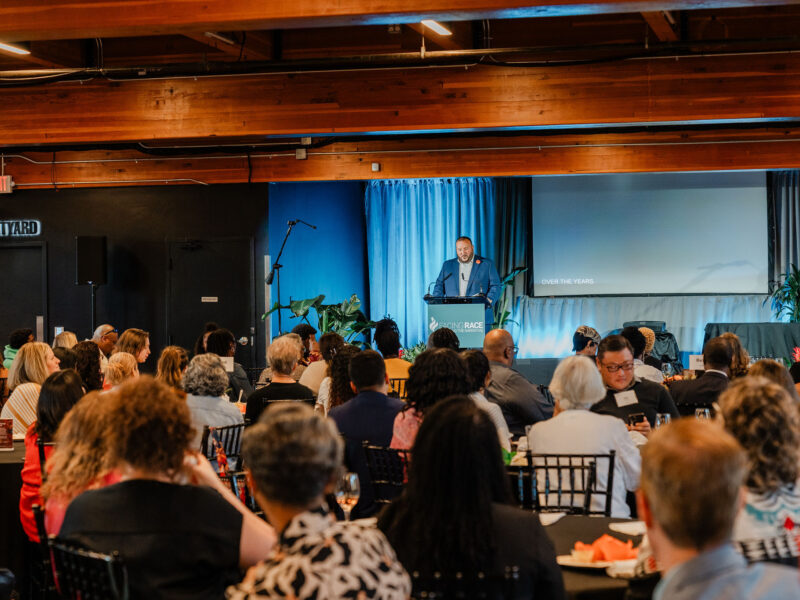
Honoring Two Decades of Courage, Leadership and Racial Justice
What began as a bold commitment to naming and addressing racism has grown into a celebration of the people, partnerships and movements creating a more just Minnesota for all.
Learn More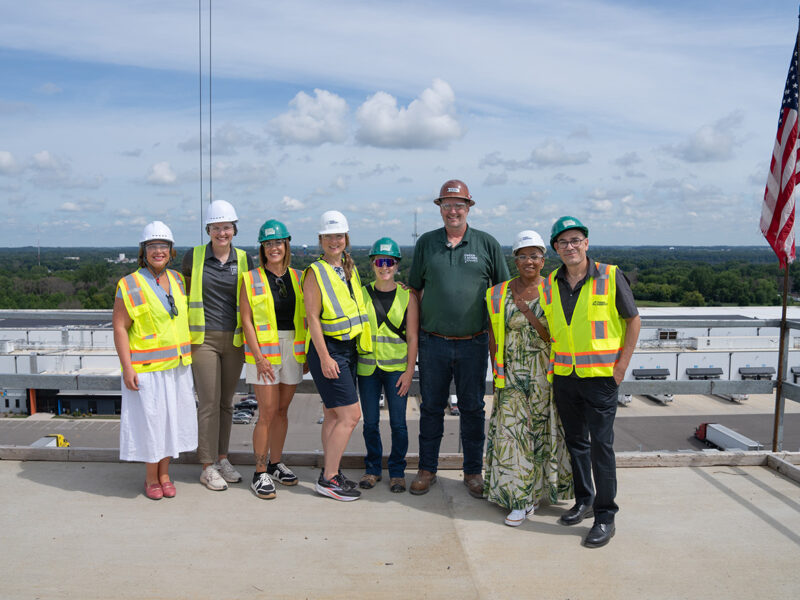
Saint Paul & Minnesota Foundation Helps Build a New Future for Rural Minnesota
Learn how the Foundation's investment in Green Acres Milling is creating financial opportunities for the city of Albert Lea
Meet Green Acres Milling
Downtown Saint Paul Draws $15 Million Commitment from Foundation
The Foundation joins Securian Financial and the Bush Foundation in backing downtown’s redevelopment and takes seats on the governing bodies directing the work.
See the News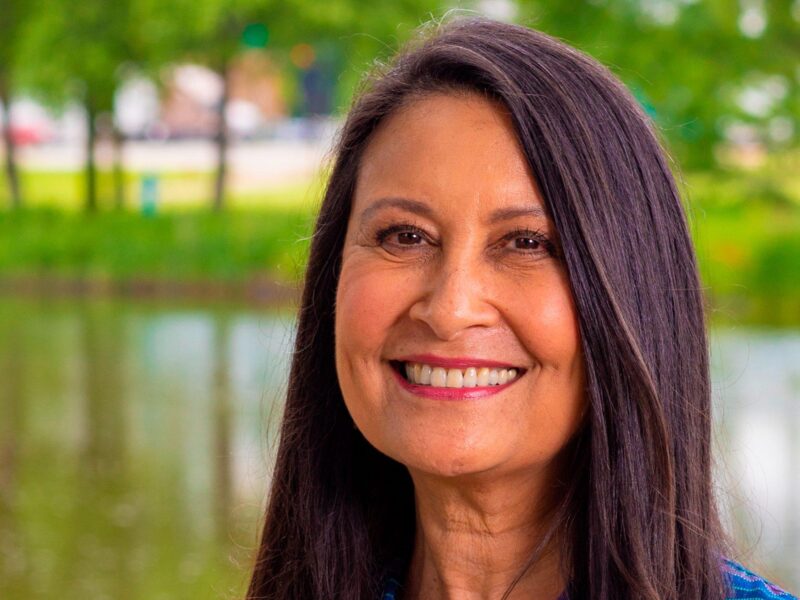
Turn Financial Milestones into Meaningful Change
Whether you're planning for a business transition, retirement or another major life event, thoughtful philanthropy can help translate success into community.
See How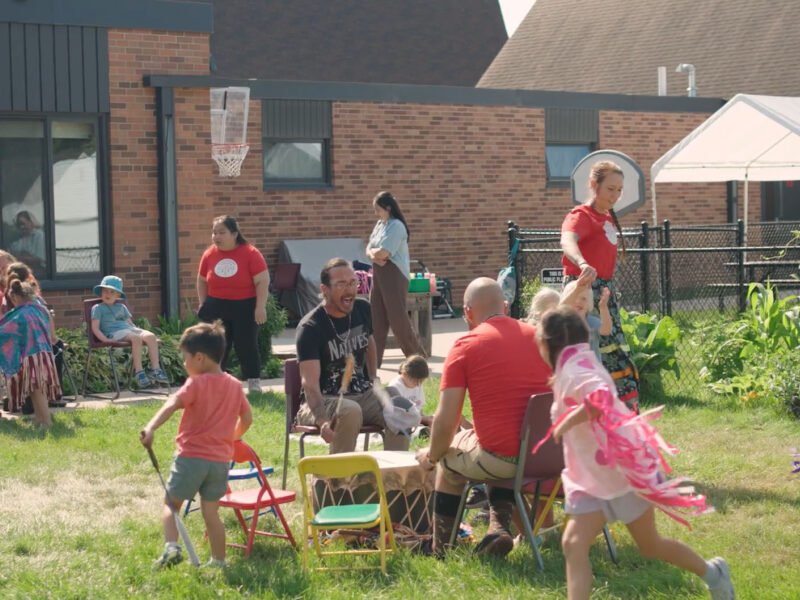
Early Childhood Education That Nurtures Self Love & Identity
Montessori American Indian Childcare Center is helping children build confidence while strengthening community connections, Indigenous culture and language.
Watch the video
A Local Partner for Your Giving Journey
Learn how a simple transfer to the Saint Paul & Minnesota Foundation can help you deepen your community impact and grow your giving.
See the Ways
A Legacy of Learning and Opportunity
Through philanthropy, public service and global advocacy, Marlene Johnson is helping young people thrive.
Meet Marlene