
Planned Giving Strategies Worth Another Look

Three opportunities to consider as you help your clients align their generosity.
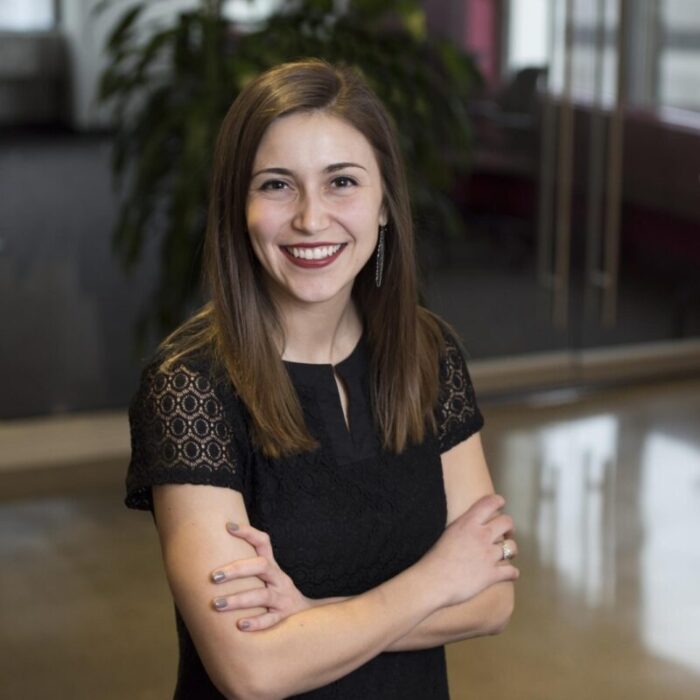
By Mariah Brook, Director of Gift Planning
For attorneys, CPAs and financial advisors, keeping pace with changing tax laws is part of helping clients make thoughtful decisions. But the rules can change quickly, and sometimes an overlooked provision can create a timely opportunity to connect a client’s financial plan with what matters most to them.
At the Saint Paul & Minnesota Foundation, we work alongside professional advisors and their clients to explore giving strategies that align with their financial, tax and philanthropic goals while supporting the communities and causes their clients care about.
Some strategies deserve regular attention because they continue to be useful in a wide range of situations. Gifts of appreciated stock, qualified charitable distributions for eligible IRA owners and concentrating several years of charitable giving to a donor advised fund can all be valuable tools.
Yet familiar strategies are only part of the picture. As you help clients finish their 2026 planning and prepare for 2027, here are three opportunities that may deserve another conversation.
Giving Opportunities for Opportunity Zone Investors
For some investors in Qualified Opportunity Funds, 2026 brings an important tax milestone. Under the original Opportunity Zone rules, remaining deferred gain generally must be recognized by Dec. 31, 2026, unless an inclusion event occurs earlier.
For clients who will recognize substantial deferred gain, this can be an opportunity to consider charitable giving as part of the broader tax-planning conversation. Depending on the client’s circumstances and applicable deduction limits, additional charitable contributions in the same tax year may provide a deduction that offsets a portion of taxable income.
That could include:
- Increasing charitable giving in 2026.
- Concentrating several years of anticipated giving into one year.
- Contributing long-term appreciated publicly traded stock to a donor advised fund or another charitable giving fund.
The goal is bigger than a tax deduction. For donors, thoughtful planning can help align a significant financial event with the opportunity to invest more intentionally in the nonprofits, places and communities they value.
Clients Who Take the Standard Deduction
Much of the charitable planning conversation for 2026 has centered on taxpayers who itemize. Beginning with the 2026 tax year, otherwise deductible charitable contributions for itemizers generally are deductible only to the extent they exceed 0.5% of the adjusted gross income.
For some clients, that may make concentrating multiple years of giving into a single year particularly useful. A donor advised fund can help separate the timing of the charitable contribution and potential tax deduction from the timing of grants to nonprofits.
But clients who don't itemize deserve attention, too.
Beginning in 2026, taxpayers who do not itemize may deduct up to $1,000 in qualifying cash charitable contributions, or $2,000 for married couples filing jointly. Noncash contributions and gifts to donor advised funds do not qualify for this particular deduction.
It's a relatively simple change, but one worth raising with clients whose tax situations might not otherwise prompt a charitable planning conversation. Taking the standard deduction does not necessarily mean a client's charitable giving has no federal income tax benefit.
And regardless of the deduction, the more important conversation may be what the client hopes their planned giving can accomplish. Across Minnesota, donors have countless opportunities to support strong nonprofits and invest in the communities they call home.
Estate Tax Conversations
When discussing estate tax, it is important to address both state and federal estate tax exemptions. In 2026, the federal estate and gift tax basic exclusion amount increased to $15 million per individual, while it increased to $3 million per individual in Minnesota.
For many clients, that makes federal estate tax less immediate as a planning concern, but it does not make legacy planning less important.
Beneficiary designations, retirement accounts, closely held businesses, concentrated assets, family circumstances and charitable intentions can all shape a client's estate plan. And an estate that falls comfortably below the federal exemption today may change as assets appreciate or circumstances evolve.
That means conversations about charitable legacy planning can begin with purpose rather than tax exposure: What does your client want their resources to make possible for their family and their community?
A charitable bequest also continues to have potential estate-tax implications. A qualifying charitable bequest to a fund at the Foundation or another qualifying charitable organization may be deductible for federal estate tax purposes under Internal Revenue Code Section 2055.
For Minnesotans who have spent a lifetime supporting organizations, neighborhoods and causes they care about, an estate plan can also be a way to carry those values forward.
Include Planned Giving in Early Client Conversations
The most useful planned giving conversations often happen before a transaction or year-end decision is complete. These conversations can be challenging, that's why our staff is here to help.
At the Foundation, we can work alongside you and your clients to consider their giving options, explore giving strategies and help connect financial planning with the client's philanthropic goals.
Contact one of our gift planners today and bring us into the conversation early to explore what's possible together.
About the Author
As Director of Gift Planning, Mariah Brook helps individuals and families initiate and express their philanthropic plan to maximize their giving. In her role, Mariah also provides nonprofits the support to start and grow their endowments and works alongside professional advisors to help them achieve their client’s philanthropic goals. The most rewarding part of her job is watching donors be open-handed with the resources they have and the impact it has on community.
Mariah joined the Saint Paul & Minnesota Foundation in 2014 after graduating from the University of Minnesota with a bachelor’s degree in communication studies. She is involved in her community through various leadership and volunteer roles at her church in downtown Minneapolis and serves on the board of a family support center.
The Saint Paul & Minnesota Foundation does not provide tax, legal or accounting advice. Please consult your own tax, legal and accounting advisors regarding your individual situation before engaging in any transaction.
More Stories

Elevating Estate Planning Conversations
Practical ways that professional advisors can help clients give to causes they care about while achieving their financial and giving goals.
See the Possibilities
A Deeper Way to Support Your Client's Philanthropy
Conversations about nonprofit board service can help clients align their nonprofit leadership, values and long-term impact goals.
See the Possibilities
Expanding Possibilities for Charitable Giving
Proposed legislation could broaden Qualified Charitable Distribution planning opportunities.
See the Possibilities
The New Philanthropy Conversation
How to move beyond tax strategies to help families connect their wealth with purpose, legacy and community impact.
See the Strategies
The Philanthropy Trifecta: Charitable Giving Tools to Support Your Client’s Giving Journey
Strategies for making an impact through a private foundation, charitable remainder trust and donor advised fund.
See the Strategies
Corporate Giving: Advising Businesses in a New Era
Learn how your clients can make the most out of corporate giving with the new charitable deduction rules.
See How
Where Purpose, Planning and Minnesota Communities Come Together
How the Saint Paul & Minnesota Foundation helps advisors and clients align generosity with lasting community impact.
See How
Women Are Reshaping Philanthropy — And the Future of Giving
Studies show women are driving charitable decisions, giving more collaboratively, and shaping the future of philanthropy through empathy, engagement and strategic planning.
See How