Elevating Estate Planning Conversations

Practical ways that professional advisors can help clients give to causes they care about while achieving their financial and giving goals.
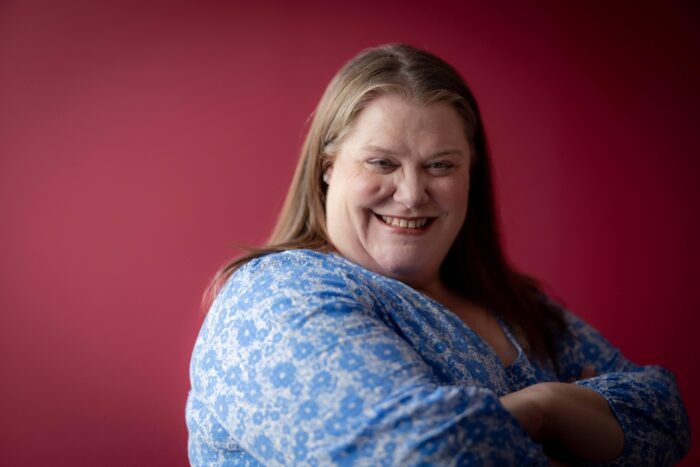
By Jennifer Vickerman Akaolisa, CFRE, Gift Planner
Many clients want their wealth to do more than benefit the next generation. They want to strengthen the communities, organizations and causes that have shaped them.
As trusted advisors, you are often in the best position to help clients explore those goals and incorporate charitable giving into broader estate, financial and succession plans. The Saint Paul & Minnesota Foundation serves as a collaborative partner, helping you identify charitable solutions that align with each client's vision, values and long-term objectives.
Consider these three opportunities to deepen charitable planning conversations and help clients create lasting impact.
Revisit charitable provisions in an existing estate plan.
If: Your client already has a will or trust that includes charitable bequests, but the documents have not been reviewed in several years …
Then: Encourage your clients to take another look at whether those provisions still reflect their charitable giving intentions.
Why? Organizations change, community needs evolve, and your client’s interests may shift over time. In some cases, naming the Foundation as the charitable beneficiary of their fund can provide useful flexibility. For example, a client might establish a field of interest fund to support a particular cause or a designated fund to benefit one or more favorite organizations. Depending on the structure, the Foundation can also help administer the client’s giving intentions over time, even as circumstances change. This is a great reason to involve our team while your client is reviewing their estate plan rather than waiting until the plan takes effect.
For inspiration: The 2026 TPI Study of the Philanthropic Conversation found that 80% of high-net-worth clients believe advisors have an obligation to engage them in conversations about charitable activity. Among clients who have discussed philanthropy with advisors, 93% consider the advisor’s role important. The study also offers an interesting clue about how to make those conversations more meaningful: Clients increasingly value discussions that balance technical considerations with personal topics such as goals, values, and impact.
Take a close look at beneficiary designations.
If: Your client wants to leave assets to both family members and the community …
Then: Consider whether the assets themselves are allocated as thoughtfully as the percentages.
Why? Traditional IRAs and other tax-deferred retirement accounts are especially important to review because distributions to individual beneficiaries can carry income tax consequences, while qualified philanthropic organizations such as the Foundation are generally tax-exempt. A client might therefore consider naming a donor advised fund or other type of fund at the Foundation as beneficiary of some or all of a retirement account while leaving other assets to family members. Beneficiary designations on retirement accounts and other financial accounts can also be relatively easy to overlook when an estate plan is updated, so make sure these designations coordinate with the rest of the plan.
For inspiration: Tending to Your Estate Plan? Give Your IRA Some Love, Too which appeared recently in Kiplinger, highlights why traditional IRA beneficiary designations deserve special attention in estate planning, including the different tax consequences for spouses, other individual heirs, and nonprofits. Of particular interest for charitable planning, traditional IRAs can be attractive assets to leave to nonprofit organizations because qualified charitable organizations, such as the community foundation, generally can receive the account value without the income tax burden that may reduce what individual heirs ultimately receive.
Think beyond a one-time charitable bequest.
If: Your client says, “I’d like to leave something to charity,” but has not thought much beyond that …
Then: Ask a few more questions and loop in our Philanthropic Services team.
Why? What causes have mattered most during the client’s lifetime? Does the client want to support specific organizations, address a particular community need, or involve children and grandchildren in philanthropy? Does the client envision the charitable gift being distributed immediately, or would a lasting charitable fund better reflect the legacy the client hopes to create? A simple charitable bequest may be exactly the right solution, but the conversation also may uncover opportunities to establish a fund at the community foundation that carries the client’s charitable giving intentions forward for years — or even generations. Our team can help you and your client explore the possibilities while you continue to guide the legal, tax and financial components of the estate plan as well as potential business exits.
For inspiration: “Five Core Truths About Donor-Advised Funds” is worth a read. Among other things, the article highlights the role donor advised funds can play in family philanthropy and succession planning. That's particularly relevant during estate planning conversations because a client's charitable legacy may involve more than assets transferred at death; it may also involve preparing children or grandchildren to carry forward a family's charitable values and priorities.
At the Foundation, our goal is to be your go-to sounding board for your giving conversations, especially when it involves estate planning. To learn more, call 651.224.5463 or email philanthropy@spmcf.org to talk to one of our gift planners today.
About the Author
Jennifer Vickerman Akaolisa, Gift Planner, works to advance the Foundation’s mission by collaborating with professional advisors and donors to achieve philanthropic goals to better the lives of people in their communities. Jennifer feels that working at the Foundation, with its focus on inspiring generosity, advocating for equity, and investing to advance community visions, is a fantastic way for her to live out her personal passions in her profession. Her favorite part of her job is connecting with community members who are generous and care about being part of community-led solutions.
She previously worked as a financial advisor and in new business development for Thrivent Financial, as a gift planner for Gustavus Adolphus College, and as the Director of Development & Philanthropy for Friends of the Hennepin County Library. Jennifer holds a bachelor’s degree with majors in Music Performance and Theatre from Gustavus Adolphus College. She has earned a Fundraising Certificate from the University of St. Thomas and the Certified Fundraising Executive accredited designation from CFRE International.
The Saint Paul & Minnesota Foundation does not provide tax, legal or accounting advice. Please consult your own tax, legal and accounting advisors regarding your individual situation before engaging in any transaction.
More Stories

A Deeper Way to Support Your Client's Philanthropy
Conversations about nonprofit board service can help clients align their nonprofit leadership, values and long-term impact goals.
See the Possibilities
Expanding Possibilities for Charitable Giving
Proposed legislation could broaden Qualified Charitable Distribution planning opportunities.
See the Possibilities
The New Philanthropy Conversation
How to move beyond tax strategies to help families connect their wealth with purpose, legacy and community impact.
See the Strategies
The Philanthropy Trifecta: Charitable Giving Tools to Support Your Client’s Giving Journey
Strategies for making an impact through a private foundation, charitable remainder trust and donor advised fund.
See the Strategies
Corporate Giving: Advising Businesses in a New Era
Learn how your clients can make the most out of corporate giving with the new charitable deduction rules.
See How
Where Purpose, Planning and Minnesota Communities Come Together
How the Saint Paul & Minnesota Foundation helps advisors and clients align generosity with lasting community impact.
See How
Women Are Reshaping Philanthropy — And the Future of Giving
Studies show women are driving charitable decisions, giving more collaboratively, and shaping the future of philanthropy through empathy, engagement and strategic planning.
See How
A Unified Approach to Planned Giving
Even the strongest team of advisors can leave clients with fragmented plans unless tax, legal and financial professionals can work together intentionally.
See the Approach