Expanding Possibilities for Charitable Giving

Proposed legislation could broaden Qualified Charitable Distribution planning opportunities.
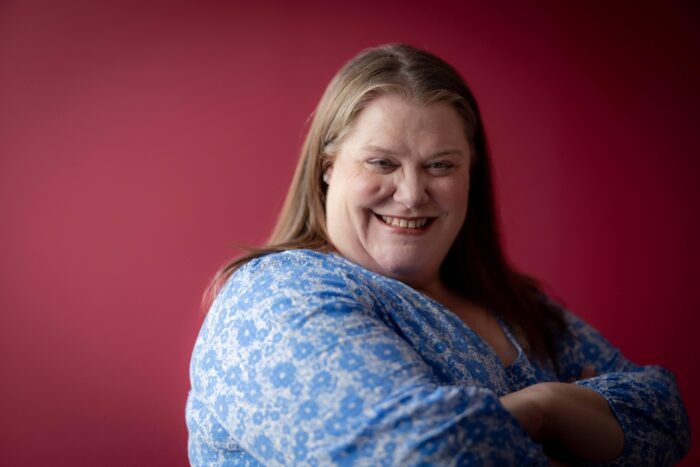
By Jennifer Vickerman Akaolisa, CFRE, Gift Planner
For many Minnesotans, giving is deeply rooted in community: supporting local schools, strengthening arts and culture and ensuring neighbors have access to opportunity. As you work with clients age 70½ and older, one powerful way to connect these values with financial planning is through a Qualified Charitable Distribution (QCD).
A QCD allows individuals to give directly from an IRA to a nonprofit while reducing taxable income. This includes distributions into various types of funds, such as a designated fund, unrestricted fund or field-of-interest fund. In 2026, individuals can give up to $111,000 through a QCD, making it a meaningful, tax-aware way to support the causes that matter most to your clients.
What’s Changing and Why Does it Matter?
New bipartisan legislation — the Charity Parity Act, introduced in May 2026, could expand how QCDs work. If enacted, it would allow individuals to make QCDs directly from employer-sponsored retirement plans such as 401(k), 403(b) and 457(b) accounts and not just IRAs.
Today, many clients must first roll assets from a workplace plan into an IRA before making a QCD. This extra step can create delays and administrative hurdles. The proposed legislation would simplify the process, helping more people move from intention to action faster and with fewer barriers.
For advisors serving clients with significant retirement assets, this shift could open the door to more accessible, strategic giving, especially for those who have built wealth primarily through employer-sponsored plans.
At the Saint Paul & Minnesota Foundation, we see how charitable dollars strengthen Minnesota communities every day, from early childhood education and workforce development to housing stability, environmental stewardship and the arts. QCDs can play a powerful role in this work.
For example:
- A client passionate about education could support a field-of-interest fund focused on closing opportunity gaps.
- A client with long-standing ties to a local nonprofit like a food shelf, arts organization or community health provider can establish a designated fund to provide consistent, long-term support.
- Others may choose to address emerging needs, such as climate resilience or expanding access to mental health care.
In each case, we work alongside you and your clients to align their charitable giving with impact, now and for generations to come.
(It’s important to note that under current law, QCDs cannot be directed to donor advised funds. However, certain other types of funds remain eligible.)
What Does That Mean for the Future?
Even as legislation evolves, the opportunity to start a conversation is important.
Many clients are familiar with Required Minimum Distributions (RMDs) but may not be aware of how those distributions can support charitable giving goals in a tax-efficient way. By identifying clients age 70½+ who have both philanthropic intent and retirement assets, you can help connect financial planning with community impact.
When meeting with clients, you may want to consider:
- Reviewing beneficiary designations alongside charitable goals
- Exploring how QCDs could complement existing giving strategies
- Sharing that proposed legislation may soon expand these opportunities beyond IRAs
These conversations often lead to deeper alignment between clients’ values and their financial plans.
Another piece of pending legislation that may impact your clients' giving is the IRA Charitable Rollover Facilitation and Enhancement Act of 2025 (H.R. 2891). It would allow QCDs to be directed to donor advised funds if passed.
While that change is not yet law, it reflects continued momentum to broaden access to charitable giving tools.
“At the Saint Paul & Minnesota Foundation, we see how charitable dollars strengthen Minnesota communities every day, from early childhood education and workforce development to housing stability, environmental stewardship and the arts.”
Jennifer Vickerman Akaolisa, Gift Planner

Why Partner with Us
As always, the Foundation is here as a resource for you and your clients. Together, we can make it easier for your clients to give from their retirement plans and help them structure funds that reflect their charitable giving goals. To learn more about how we can support you and your clients, contact one of our gift planners at 651.224.5463 or philanthropy@spmcf.org.
About the Author
Jennifer Vickerman Akaolisa, Gift Planner, works to advance the Foundation’s mission by collaborating with professional advisors and donors to achieve philanthropic goals to better the lives of people in their communities. Jennifer feels that working at the Foundation, with its focus on inspiring generosity, advocating for equity, and investing to advance community visions, is a fantastic way for her to live out her personal passions in her profession. Her favorite part of her job is connecting with community members who are generous and care about being part of community-led solutions.
She previously worked as a financial advisor and in new business development for Thrivent Financial, as a gift planner for Gustavus Adolphus College, and as the Director of Development & Philanthropy for Friends of the Hennepin County Library. Jennifer holds a bachelor’s degree with majors in Music Performance and Theatre from Gustavus Adolphus College. She has earned a Fundraising Certificate from the University of St. Thomas and the Certified Fundraising Executive accredited designation from CFRE International.
The Saint Paul & Minnesota Foundation does not provide tax, legal or accounting advice. Please consult your own tax, legal and accounting advisors regarding your individual situation before engaging in any transaction.
More Stories

A Deeper Way to Support Your Client's Philanthropy
Conversations about nonprofit board service can help clients align their nonprofit leadership, values and long-term impact goals.
See the Possibilities
The New Philanthropy Conversation
How to move beyond tax strategies to help families connect their wealth with purpose, legacy and community impact.
See the Strategies
The Philanthropy Trifecta: Charitable Giving Tools to Support Your Client’s Giving Journey
Strategies for making an impact through a private foundation, charitable remainder trust and donor advised fund.
See the Strategies
Corporate Giving: Advising Businesses in a New Era
Learn how your clients can make the most out of corporate giving with the new charitable deduction rules.
See How
Where Purpose, Planning and Minnesota Communities Come Together
How the Saint Paul & Minnesota Foundation helps advisors and clients align generosity with lasting community impact.
See How
Women Are Reshaping Philanthropy — And the Future of Giving
Studies show women are driving charitable decisions, giving more collaboratively, and shaping the future of philanthropy through empathy, engagement and strategic planning.
See How
A Unified Approach to Planned Giving
Even the strongest team of advisors can leave clients with fragmented plans unless tax, legal and financial professionals can work together intentionally.
See the Approach
Grants to Individuals: What the IRS Allows Nonprofits to Do
IRS rules, exceptions and best practices you and your clients should know.
See the Rules