The Philanthropy Trifecta: Charitable Giving Tools to Support Your Client’s Giving Journey

Strategies for making an impact through a private foundation, charitable remainder trust and donor advised fund.
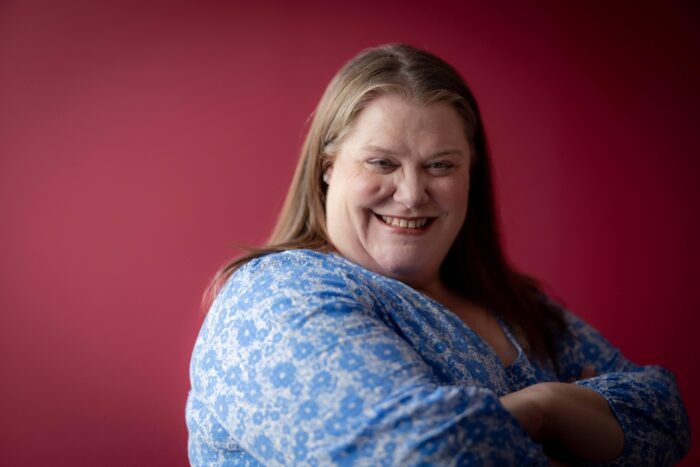
By Jennifer Vickerman Akaolisa, CFRE, Gift Planner
More families are thinking intentionally about how their charitable giving can reflect both their financial goals and their commitment to community.
For attorneys, CPAs and financial advisors, that often means helping clients navigate multiple tools — each with a role to play. A private foundation, a charitable remainder trust and a donor advised fund can work together in ways that are both practical and meaningful.
When aligned thoughtfully, these tools can support income planning, tax strategy and long-term community impact.
Many of your clients have a long-standing connection to giving. Some may have established private foundations years ago to support the organizations and communities they care about most.
Now, they may be entering a new season, thinking about retirement, their legacy and how to structure their assets for the future. In that process, a charitable remainder trust often becomes part of the conversation, especially in cases where highly appreciated stock is involved.
Understanding the Role of a Charitable Remainder Trust
A charitable remainder trust is designed to do two things at once. It provides income to your client or their beneficiaries for life or for a set period of time — and it ensures that remaining assets are directed toward charitable causes.
This structure can be especially useful when funded with appreciated assets. It may allow those assets to be sold within the trust without capital gains tax, creating more flexibility for planning.
As you help your client establish a trust, you may ask: where should the remaining assets go?
If a private foundation is named as the beneficiary, the available charitable deduction is often more limited. In many cases, it reflects the original value of the asset rather than its current market value, and the allowable deduction relative to adjusted gross income may be lower.
For clients who want to maximize both their charitable impact and their financial benefit, this can feel like a missed opportunity.
A Community-centered Approach
This is where a donor advised fund at the Saint Paul & Minnesota Foundation can play an important role. At a community foundation, a donor advised fund allows your client to:
- Receive a charitable deduction based on the full market value of contributed securities
- Benefit from a higher deduction limit relative to adjusted gross income
- Carry forward excess deductions into future years, within applicable guidelines
A donor advised fund also connects clients to the communities they care about, making it easier to support nonprofits, respond to emerging needs and stay engaged over time.
“When a private foundation, a charitable remainder trust and a donor advised fund are aligned...they can reflect a family’s values, strengthen community connections and support long-term impact.”
Jennifer Vickerman Akaolisa, Gift Planner

A Strategy That Grows with the Family
For many families, this isn’t an either-or decision.
A private foundation and a donor advised fund can work side by side. Together, they create space for both structure and flexibility, supporting established giving priorities while allowing room to respond to new opportunities.
Over time, however, priorities can shift. As clients look ahead, they may begin to consider simplifying their approach.
A donor advised fund can offer a path forward, particularly when:
- Family members have less interest in managing a private foundation
- Administrative responsibilities and costs are becoming more burdensome
- Identifying future leadership is challenging
- The family wants to focus more on giving and less on operations
In these moments, simplifying doesn’t mean stepping back from impact. It often means making it easier to stay connected.
Families often think about legacy not just in financial terms, but in terms of supporting neighborhoods, schools, arts organizations and community-based nonprofits that shape their community’s daily life.
Donor advised funds can help carry that legacy forward. Children and grandchildren can continue recommending grants to organizations they care about without needing to manage filings, compliance requirements or ongoing administration. That continuity matters because it allows families to stay rooted in community while adapting to change.
Partner With Us
When a private foundation, a charitable remainder trust and a donor advised fund are aligned, they can do more than meet technical goals. They can reflect a family’s values, strengthen community connections and support long-term impact.
At the Foundation, we partner with advisors to carefully design aligned strategies like these. Together, we can build plans that are flexible, effective and grounded in the communities your clients call home.
To partner with us, call 651.224.5463 or email philanthropy@spmcf.org to connect with a gift planner today.
About the Author
Jennifer Vickerman Akaolisa, Gift Planner, works to advance the Foundation’s mission by collaborating with professional advisors and donors to achieve philanthropic goals to better the lives of people in their communities. Jennifer feels that working at the Foundation, with its focus on inspiring generosity, advocating for equity, and investing to advance community visions, is a fantastic way for her to live out her personal passions in her profession. Her favorite part of her job is connecting with community members who are generous and care about being part of community-led solutions.
She previously worked as a financial advisor and in new business development for Thrivent Financial, as a gift planner for Gustavus Adolphus College, and as the Director of Development & Philanthropy for Friends of the Hennepin County Library. Jennifer holds a bachelor’s degree with majors in Music Performance and Theatre from Gustavus Adolphus College. She has earned a Fundraising Certificate from the University of St. Thomas and the Certified Fundraising Executive accredited designation from CFRE International.
The Saint Paul & Minnesota Foundation does not provide tax, legal or accounting advice. Please consult your own tax, legal and accounting advisors regarding your individual situation before engaging in any transaction.
More Stories

A Deeper Way to Support Your Client's Philanthropy
Conversations about nonprofit board service can help clients align their nonprofit leadership, values and long-term impact goals.
See the Possibilities
Expanding Possibilities for Charitable Giving
Proposed legislation could broaden Qualified Charitable Distribution planning opportunities.
See the Possibilities
The New Philanthropy Conversation
How to move beyond tax strategies to help families connect their wealth with purpose, legacy and community impact.
See the Strategies
Corporate Giving: Advising Businesses in a New Era
Learn how your clients can make the most out of corporate giving with the new charitable deduction rules.
See How
Where Purpose, Planning and Minnesota Communities Come Together
How the Saint Paul & Minnesota Foundation helps advisors and clients align generosity with lasting community impact.
See How
Women Are Reshaping Philanthropy — And the Future of Giving
Studies show women are driving charitable decisions, giving more collaboratively, and shaping the future of philanthropy through empathy, engagement and strategic planning.
See How
A Unified Approach to Planned Giving
Even the strongest team of advisors can leave clients with fragmented plans unless tax, legal and financial professionals can work together intentionally.
See the Approach
Grants to Individuals: What the IRS Allows Nonprofits to Do
IRS rules, exceptions and best practices you and your clients should know.
See the Rules