
Five Ways to Make the Most of Your Year-End Giving

Learn how to be intentional with your year-end giving by following these simple tips.
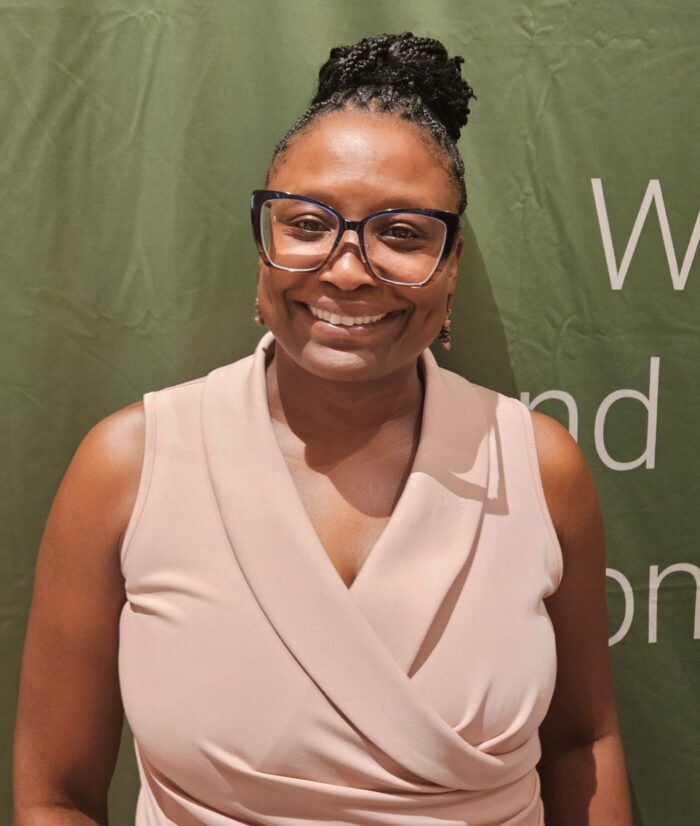
By Aurea Gerard, Director of Philanthropic Advising
If your inbox is any indication, year-end giving season has arrived. Between charitable appeals, tax reminders and planning advice, it can feel overwhelming to sort through it all.
The good news? You do not have to navigate year-end giving alone.
At the Saint Paul & Minnesota Foundation, we work with donors across the state to connect their generosity with the causes and communities they care about most. Whether your goal is supporting a longtime nonprofit partner, responding to emerging community needs or creating a lasting charitable legacy, thoughtful planning now can help you make a greater impact.
Here are five ways to approach your year-end giving with intention.
1. Start with your values
Before focusing on tax strategies or financial tools, consider what you want your giving to accomplish.
You may want to continue supporting organizations that have long been important to you. You might want to address emerging needs in your community, engage your family in philanthropy or set aside charitable resources for future giving decisions.
Starting with your values helps ensure your giving reflects what matters most to you. The Foundation can help you explore local needs, learn about organizations making a difference and identify opportunities that align with your goals. As Minnesota's largest statewide community foundation, we partner with donors, nonprofits and community organizations to help strengthen communities across the state.
2. Consider the assets you give
Many people make charitable gifts using cash, checks or credit cards. However, those may not always be the most effective assets to donate.
In some situations, donating appreciated assets such as publicly traded stock may offer tax advantages compared with selling the assets and donating the proceeds. The Foundation can also work with more complex noncash gifts, including certain business interests and real estate holdings.
Because every situation is different, it is important to consult with your tax and financial advisors before making decisions. Starting those conversations early can help preserve options that may no longer be available after a sale is completed.
3. Review recent tax law changes
Federal tax rules affecting charitable giving continue to evolve. Depending on your circumstances, changes may influence how and when you make charitable contributions.
For some donors, consolidating multiple years of charitable gifts into a single year may provide greater tax benefits. Others may benefit from exploring alternative giving strategies based on their income, deductions and charitable goals.
Working together, your professional advisors and the Foundation can help evaluate approaches that support both your financial plan and your philanthropic priorities.
4. Explore giving through your IRA
If you are age 70½ or older, a qualified charitable distribution (QCD) may be worth discussing with your advisors.
A QCD allows eligible individuals to direct funds from an IRA to qualifying charitable organizations. This strategy can offer tax advantages while supporting causes that matter to you.
While donor-advised funds are not eligible to receive QCDs, the Foundation offers several charitable fund options that may qualify. A conversation with your advisors and philanthropic team can help determine whether a QCD aligns with your giving goals.
5. Give yourself time
One of the most valuable year-end giving strategies is also one of the simplest: start early.
Gifts of stock, real estate and other complex assets often require additional time for documentation, review and coordination. Waiting until the final weeks of December can limit your options and create unnecessary stress.
Now is a good time to review your charitable plans, evaluate what you have already accomplished this year and consider what impact you still hope to make before year-end.
Most importantly, remember that philanthropy is about more than transactions. It is about creating meaningful impact in the communities you care about. With thoughtful planning and the right partners, your generosity can help build a stronger, more vibrant Minnesota for years to come.
Partner with Us
To learn more about how the Foundation can support your giving, call 651.224.5463 or email philanthropy@spmcf.org to get in contact with a member of our Philanthropic Services team today.
About the Author
As Director of Philanthropic Advising, Aurea Gerard is responsible for leading the Foundation's dynamic team of philanthropic advisors. In her role, Aurea partners with donors to help them reach their philanthropic goals and deepen their engagement with the Foundation.
Aurea joined the Saint Paul & Minnesota Foundation in 2012 and brought with her a wealth of experience in the nonprofit sector. Aurea studied at the University of Saint Thomas and holds an associate's degree and a bachelor's degree in business administration and metaphysical science. She also holds a master’s degree in metaphysical science.
The Saint Paul & Minnesota Foundation does not provide tax, legal or accounting advice. Please consult your own tax, legal and accounting advisors regarding your individual situation before engaging in any transaction.
More Stories

Showing Up for the Place We Call Home: This Election and Beyond
What we heard across Minnesota this year, what we’re doing about it and resources for election season
Learn More
Our Downtown Headquarters: An Expansion & Investment in Saint Paul
Expansion at Osborn370 will strengthen statewide engagement, expand opportunities for collaboration and offer a new destination for community.
See the News
Moving Money from Wall Street to Main Street
The Foundation's new investment portfolios are creating opportunities for investors and strengthening communities across the state.
Learn More
Honoring Two Decades of Courage, Leadership and Racial Justice
What began as a bold commitment to naming and addressing racism has grown into a celebration of the people, partnerships and movements creating a more just Minnesota for all.
Learn More
Important Year-End Giving Dates for Donors
As you make plans for your 2026 year-end fund contributions and grant recommendations, please keep in mind these important dates.
Learn More
Saint Paul & Minnesota Foundation Helps Build a New Future for Rural Minnesota
Learn how the Foundation's investment in Green Acres Milling is creating financial opportunities for the city of Albert Lea
Meet Green Acres Milling
Downtown Saint Paul Draws $15 Million Commitment from Foundation
The Foundation joins Securian Financial and the Bush Foundation in backing downtown’s redevelopment and takes seats on the governing bodies directing the work.
See the News
Turn Financial Milestones into Meaningful Change
Whether you're planning for a business transition, retirement or another major life event, thoughtful philanthropy can help translate success into community.
See How