Engaging Millennials and Gen Z in Planned Giving

Strengthen your nonprofit's annual and planned giving by building relationships with younger donors.
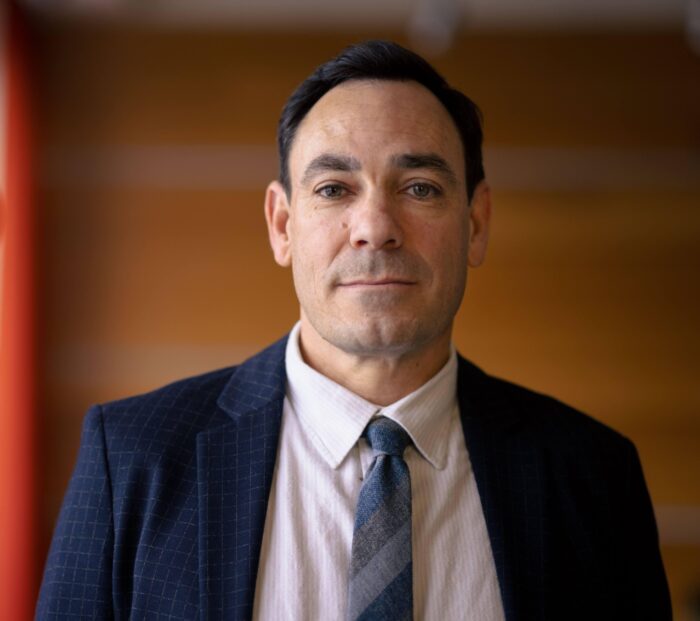
By Tod Herskovitz, Nonprofit Strategies Manager
For many nonprofit organizations, planned giving strategies have traditionally focused on Baby Boomers and Generation X. These generations currently hold much of the nation's philanthropic wealth and continue to drive many major and legacy gifts, but at the same time younger generations are reshaping what generosity looks like.
Millennials are entering their peak earning years, and Gen Z is bringing new energy, expectations and values to philanthropy. Across the country and throughout the state, younger donors are looking for ways to make an impact now while building a long-term charitable legacy that reflects their passions and values.
Social media not only plays a vital role in how younger donors see society, but the way they give. While they are already giving recurring gifts, through donor advised funds and workplace giving programs, they are also utilizing other avenues. Gen Z participates in giving at higher rates than any other adults in a variety of categories, and that is in part to social and peer-to-peer giving. This is because young donors' generosity and giving patterns are often an intricate part of their lives and lifestyles.
Younger donors aren't waiting until retirement to get involved. They are supporting causes they care about, be it through a fundraiser on GoFundMe shared by their close friend, donating directly to a cause via peer-to-peer apps like Venmo and Cash App they discovered through their favorite influencer or volunteering their time, talents and skills to organizations they love and trust. They care deeply about issues affecting their communities and want to support organizations that demonstrate transparency, authentic relationships and measurable results rather than binding themselves to traditional organizational brand names.
So how can nonprofits build meaningful connections with emerging generations of donors while laying the groundwork for future legacy gifts?
Recognize That Younger Donors are Already Investing in Community
According to Bloomerang's 2026 Giving Signals Report, Millennials have become one of the most active and strategically important donor segments. While Millennials and Gen Z are often described as the "next generation" of philanthropy, they are already shaping the way giving is done today.
They support causes through monthly giving, donor advised funds and collective giving efforts. Many are motivated by their desires to strengthen the places they call home — whether it's protecting our environment, advancing economic opportunity, supporting vibrant arts and cultural communities or making housing more affordable.
Rather than viewing planned giving as a conversation for later in life, they are considering how legacy giving can become one part of a broader, lifelong philanthropic journey.
Lead with People and Relationships
Meaningful philanthropy is rooted in human connection.
The strongest donor relationships are built over time through trust, shared values and authentic engagement. Just because these generations are "on social media" doesn't mean they don't want to know the people behind an organization or understand how their contributions create positive change.
Instead of leading with your organization's longevity or annual budget, explain how a contribution changes lives. Concrete examples consistently outperform broad mission statements when it comes to motivating younger donors.
Tell stories about community members who benefited from a program, and share examples of neighborhoods that grew stronger because of a collaborative effort. Show how donors helped create positive outcomes that might not have been possible, and concrete examples that help younger donors understand how their generosity translates into real change.
Create Opportunities for Participation
Many Millennials and Gen Z donors want to do more than write a check. They are looking for ways to contribute their time, expertise, networks and lived experiences.
So, consider inviting them to meet your program staff, hear directly from community members or participate in volunteer opportunities that deepen their connection to your mission. Volunteer opportunities, advocacy initiatives, community conversations, peer-to-peer giving campaigns and leadership roles can all help younger supporters develop deeper ties to your organization.
These experiences often become the foundation for long-term philanthropic relationships.
“Many Millennials and Gen Z donors want to do more than write a check. They are looking for ways to contribute their time, expertise, networks and lived experiences.”
Tod Herskovitz
Make Generosity Simple
A donor's first experience with your organization often happens online.
If your giving process feels confusing, difficult to navigate or poorly optimized for mobile devices, potential supporters may never complete their gift. So, make giving simple by reviewing your donation experience regularly — looking for opportunities to remove barriers and make giving easy, accessible and welcoming.
Introduce Legacy Giving & Include the Next Generation
Discussing planned gifts with younger donors does not mean asking a 30-year-old to update a will tomorrow. Instead, it means planting a seed.
Many younger donors are already thinking strategically about their finances and charitable giving goals. Some are contributing appreciated assets, while others are opening donor advised funds or creating long-term giving plans.
By introducing legacy giving as one option among many, nonprofits can help supporters see themselves as partners in a shared vision for the future.
It's also valuable to start talking about the importance of establishing giving traditions. Whether through family foundations, donor advised funds or annual charitable giving decisions, younger generations increasingly want a seat at the table. They are eager to learn, contribute their perspectives and help direct resources toward the issues they care about most.
Organizations that welcome these conversations today can build relationships that last for decades.
Show the Results
Transparency builds trust.
Younger donors want to understand where resources are going and what outcomes their gifts help achieve. They appreciate regular updates, stories, photographs and clear examples of progress.
When organizations communicate openly about successes, challenges and lessons learned, donors are more likely to remain engaged over time.
Organizations that invest in relationships with Millennials and Gen Z today can strengthen annual giving, cultivate future legacy donors and build lasting partnerships rooted in shared purpose.
Supportive Partner
Whether your organization has established an endowment fund, is exploring planned giving opportunities or simply wants to learn more about accepting complex gifts, the Saint Paul & Minnesota Foundation is here to help. Our team can serve as a thought partner and resource, helping build a more generous, vibrant and equitable Minnesota for generations to come.
About the Author
Tod Herskovitz, Nonprofit Strategies Manager, joined the Saint Paul & Minnesota Foundation in 2022.
The Saint Paul & Minnesota Foundation does not provide tax, legal or accounting advice. Please consult your own tax, legal and accounting advisors regarding your individual situation before engaging in any transaction.
More Stories
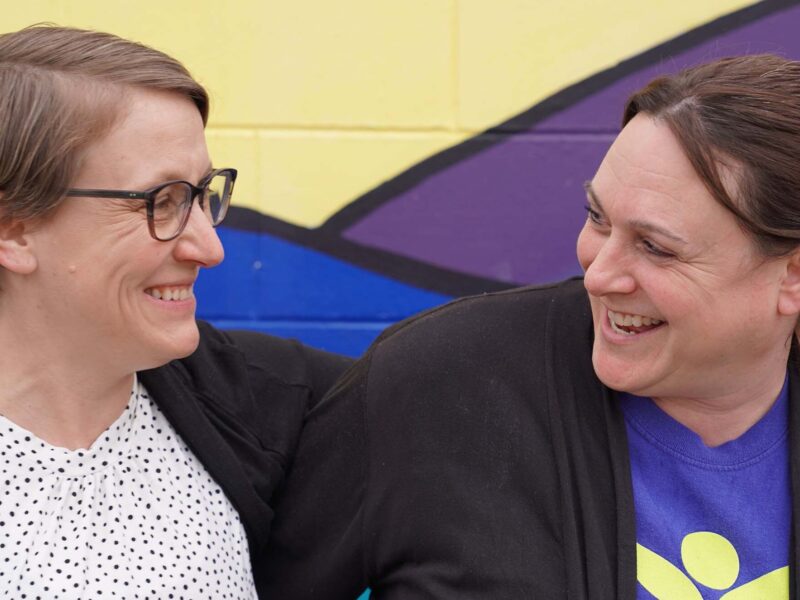
Building Strong Relationships with Donors Who Have Donor Advised Funds
Three ways nonprofits can strengthen donor connections and support long-term engagement.
See the Opportunities
Unique Community Spots for Your Next Donor Event
Next time you are looking to host a donor event, check out these unique community spaces in Minneapolis and Saint Paul.
Learn More
Preparing for What Comes Next in Giving
As wealth moves across generations, nonprofits have new opportunities to build relationships and unlock long-term support.
See the Opportunities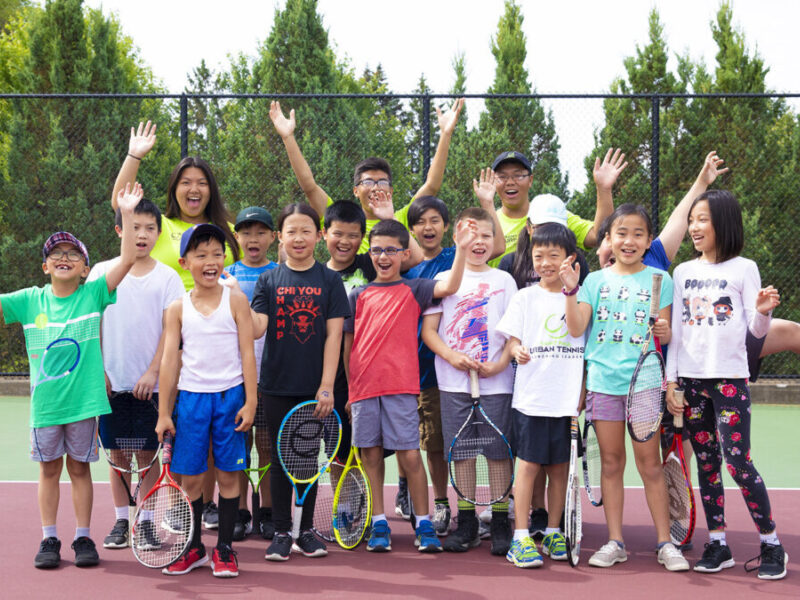
Is Your Messaging Keeping Pace with Your Donors?
How changing tax laws are shaping donor giving.
See the Terms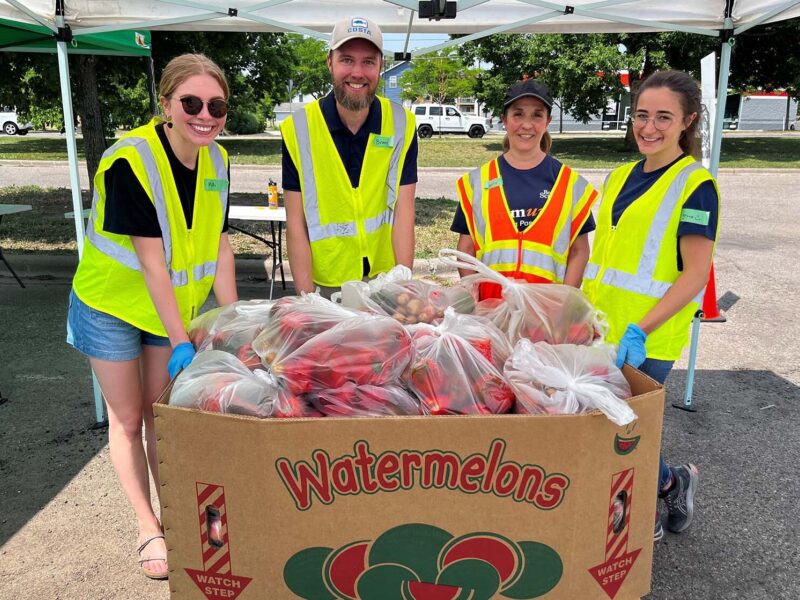
From Volunteer Service to Sustained Support
Learn how to turn volunteers into lifelong donors.
See the Terms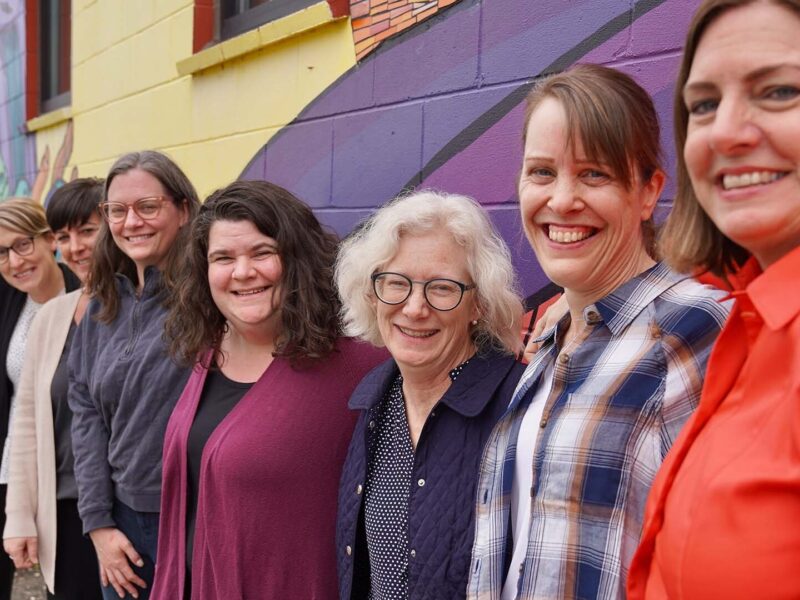
Three Key Giving Terms Nonprofit Donors & Board Members Should Know
Terms to ensure your donors and board members are on the same page when it comes to charitable giving.
See the Terms
The Right Story at the Right Time: Aligning Impact Messaging with Donor Readiness
Pairing compelling outcomes with an understanding of donor timing patterns leads to more meaningful engagement and stronger fundraising results.
Learn More
How Nonprofits Can Educate Board Members on Planned Giving
Learn four ways the Foundation can help your board members value planned giving.
See the Ways