
From Volunteer Service to Sustained Support
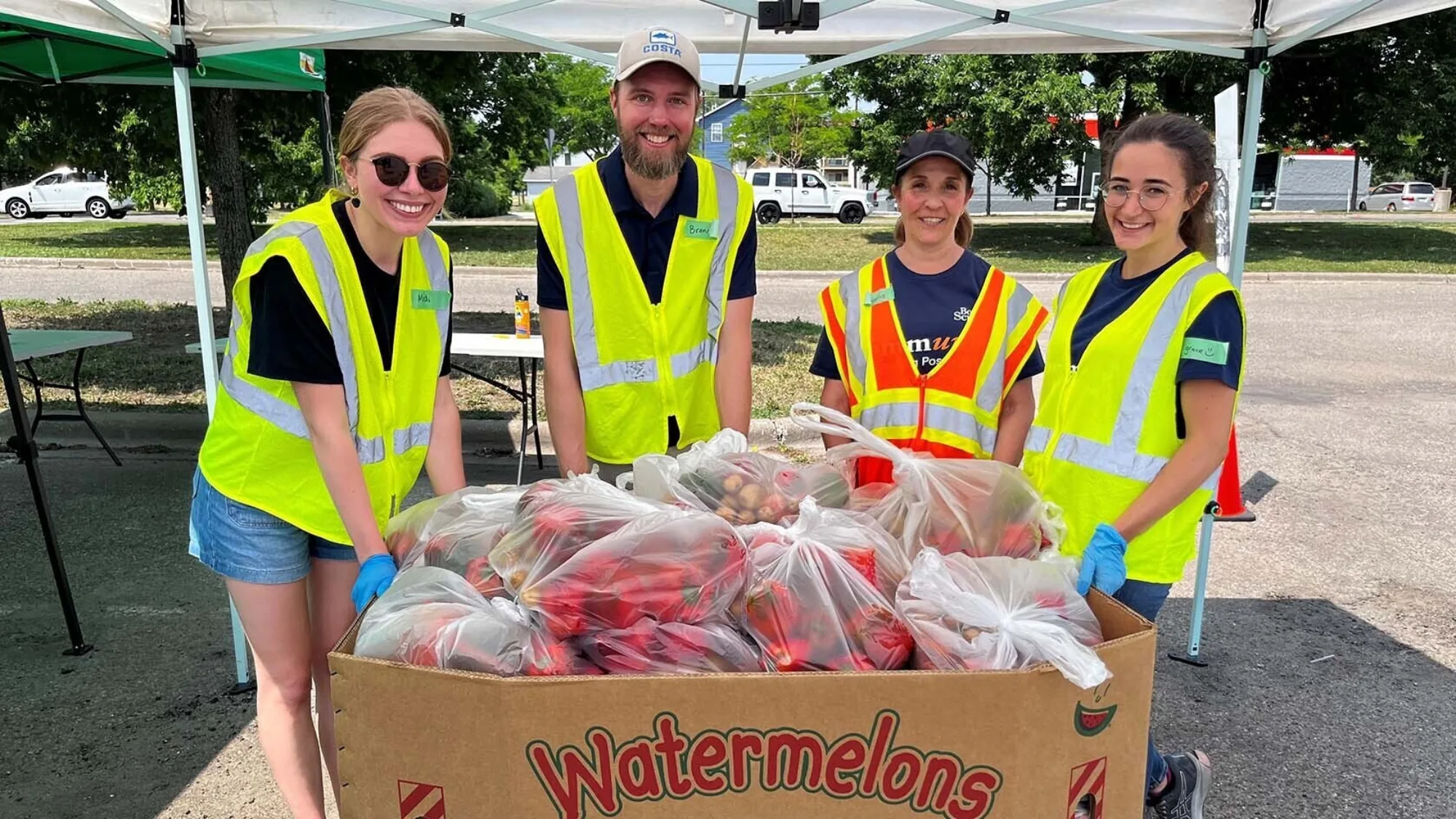
Learn how to turn volunteers into lifelong donors.
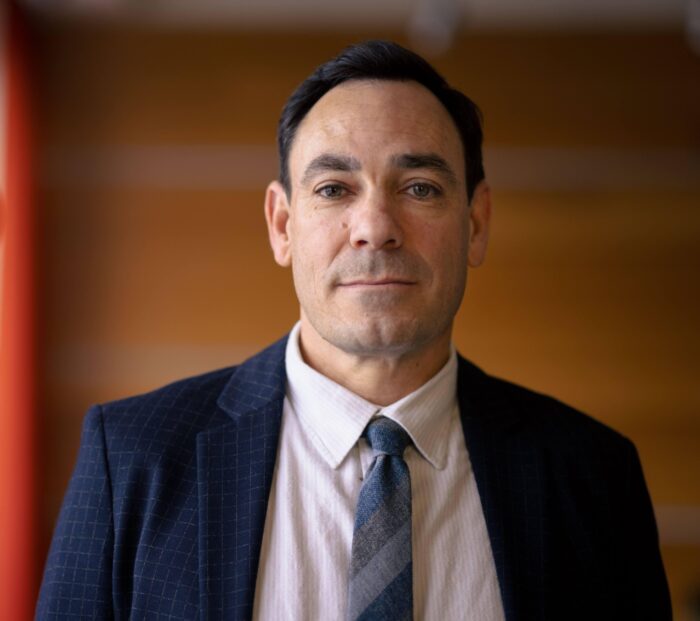
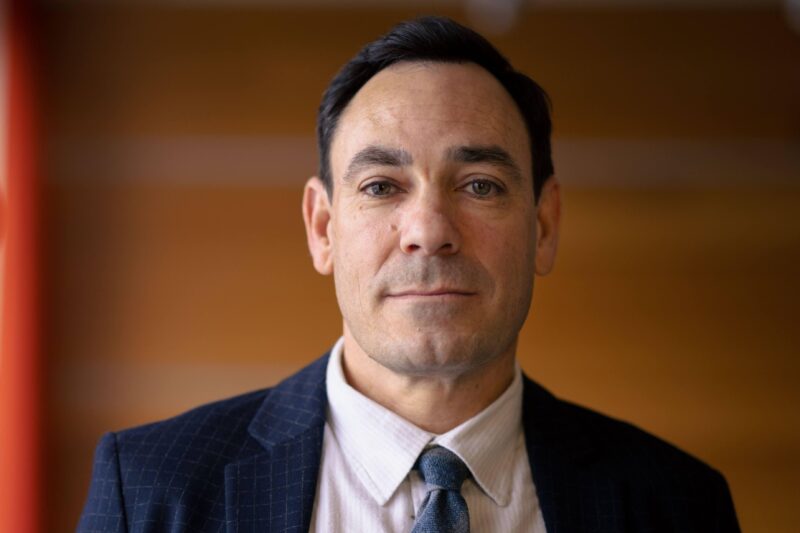
By Tod Herskovitz, Nonprofit Strategies Manager
Across Minnesota — from neighborhood food shelves in Saint Paul to rural fire departments, arts organizations and youth programs — nonprofit professionals have long understood that today’s volunteers are deeply motivated by purpose.
This is especially true of younger generations.
Many teens and young adults see service as a natural part of everyday life — organizing donation drives, showing up for community cleanups, mentoring younger students or helping neighbors in times of need. They may not always label these efforts as “volunteering,” but the impact is real, and the commitment is strong.
Minnesota currently ranks third in volunteerism according to the AmeriCorps Civic Engagement and Volunteerism Dashboard. That’s 40.5% of Minnesotans engaged in some form of public, formal volunteering. That’s an encouraging signal for the state’s nonprofit sector. It also presents an opportunity and a challenge.
Many of these individuals proudly identify as helpers, advocates and community builders, but may not see themselves yet as financial supporters. And that’s where thoughtful engagement matters most, because volunteers are one of your strongest pipelines for future donors.
Honor Their Values
Volunteers already care.
They’ve raised their hands, given their time and connected personally with your mission. That’s a powerful foundation, especially in a state where civic participation and neighbor’s help run deep.
Younger volunteers in particular are motivated by impact, connection and belonging. They want to know that what they’re doing matters. They want to feel part of something bigger than themselves — something rooted in community and shared responsibility.
When that sense of purpose is honored and nurtured, charitable giving doesn’t feel like a leap. It feels like a natural next step.
The Connection Between Time and Treasure
One of the most effective strategies for nonprofits is also one of the simplest: helping volunteers see that financial support is another way to make a difference.
Many young people already understand this intuitively. They donate goods, organize fundraisers and rally friends around the causes they care about most. They also know that resources such as time, talent and money fuel impact.
As a nonprofit, your role is to connect the dots for them:
- You’ve seen the impact firsthand
- You know what it takes to deliver this work
- Here’s how a small financial gift helps ensure this impact continues
When positioned this way, giving doesn’t feel transactional — it feels aligned, and financial support becomes an extension of service.
Start Small and Make it Easy
For students, young professionals, and individuals early in their careers, financial capacity may be limited — research has proven that volunteering is a gateway to monetary giving. According to this study, increased volunteer engagement led to a 32% increase in donor participation.
That’s why it's important to offer giving opportunities in ways that feel accessible and respectful, such as:
- Modest annual gifts
- Monthly recurring donations
- Peer‑to‑peer fundraising
- Giving tied to volunteer milestones or moments of impact
The goal isn’t the size of the gift; it’s the habit. A volunteer who becomes a first-time donor, even at a small level, is far more likely to give again, stay connected and grow alongside your organization.
Grow with Volunteers Over Time
Volunteer engagement evolves as people move through life from school to career, from renting to homeownership, from early adulthood to raising families and planning for the future.
Your strategy should evolve, too.
As volunteers’ capacity increases, so can their giving:
- First-time donors become annual supporters
- Engaged donors explore midlevel giving
- Longtime supporters consider major gifts or legacy plans
- Passionate champions help build endowments for long-term community impact
This is a long game, and volunteers are uniquely positioned to travel on that journey with you.
“When volunteers take ownership of outcomes, they become invested not only in the mission — but in sustaining it financially.”
Tod Herskovitz
Offer Leadership and Ownership
Another clear insight from recent volunteer trends: younger volunteers want more than participation. They want ownership. Engagement deepens when people can help shape the work, not just carry it out.
Consider inviting volunteers to:
- Help lead fundraising efforts
- Organize giving initiatives within their networks
- Serve as ambassadors or advisors
- Cocreate campaigns that reflect their values and voices
When volunteers take ownership of outcomes, they become invested not only in the mission — but in sustaining it financially.
Build a Culture of Lifelong Giving
The ultimate goal isn’t simply converting volunteers into donors. It’s cultivating lifelong supporters who carry your mission forward across generations.
Volunteers who give are more likely to:
- Stay engaged longer
- Increase their support over time
- Advocate for your organization within their communities
In Minnesota, where strong nonprofits are essential to thriving towns, cities and neighborhoods, this kind of sustained engagement strengthens the entire ecosystem.
Public Life and Civic Engagement
Many Minnesotans volunteer in a wide range of ways to create meaningful community change — including civic and public life activities. This is a good moment for nonprofit leaders to revisit the guidelines that shape how organizations can appropriately engage.
We encourage you to refresh your understanding of the parameters and share that information with your board. Thoughtful clarity supports confidence, compliance and trust.
Future Donors
Today’s volunteer can very often be tomorrow’s donor, and with the right engagement, a future major gift or legacy supporter. While not all volunteers will become donors, your organization's behavior largely determines whether they do.
The surge in volunteerism among Gen Z and the generations coming behind them is more than a trend. It’s an invitation. By meeting volunteers where they are, starting small and growing with them over time, Minnesota nonprofits can build a powerful pipeline from service to sustained financial support.
As always, the Foundation is here to help. We’re proud to partner with you in strengthening generosity, opportunity and belonging across the state.
About the Author
Tod Herskovitz, Nonprofit Strategies Manager, joined the Saint Paul & Minnesota Foundation in 2022.
More Stories

Engaging Millennials and Gen Z in Planned Giving
Strengthen your nonprofit's annual and planned giving by building relationships with younger donors.
Ways to Engage
Building Strong Relationships with Donors Who Have Donor Advised Funds
Three ways nonprofits can strengthen donor connections and support long-term engagement.
See the Opportunities
Unique Community Spots for Your Next Donor Event
Next time you are looking to host a donor event, check out these unique community spaces in Minneapolis and Saint Paul.
Learn More
Preparing for What Comes Next in Giving
As wealth moves across generations, nonprofits have new opportunities to build relationships and unlock long-term support.
See the Opportunities
Is Your Messaging Keeping Pace with Your Donors?
How changing tax laws are shaping donor giving.
See the Terms
Three Key Giving Terms Nonprofit Donors & Board Members Should Know
Terms to ensure your donors and board members are on the same page when it comes to charitable giving.
See the Terms
The Right Story at the Right Time: Aligning Impact Messaging with Donor Readiness
Pairing compelling outcomes with an understanding of donor timing patterns leads to more meaningful engagement and stronger fundraising results.
Learn More
How Nonprofits Can Educate Board Members on Planned Giving
Learn four ways the Foundation can help your board members value planned giving.
See the Ways