Is Your Messaging Keeping Pace with Your Donors?

How changing tax laws are shaping donor giving.
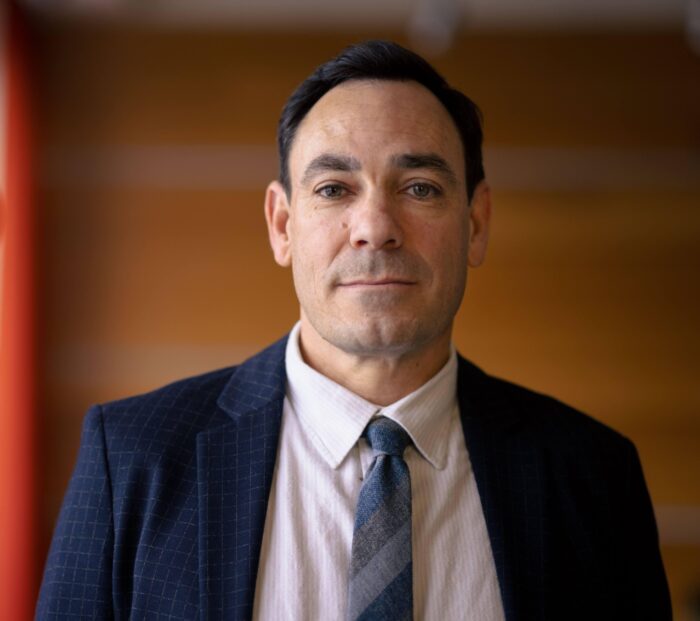
By Tod Herskovitz, Nonprofit Strategies Manager
If your organization’s donor communications feel a little routine, you’re not alone.
Many nonprofits have long relied on familiar messages, especially around tax benefits, to encourage giving. But in 2026, the landscape is shifting, and with it, how donors choose to respond.
Recent analysis points to a clear trend: changes in tax law are reshaping incentives for giving and challenging traditional fundraising approaches. For nonprofits across Saint Paul, the East Metro, Greater Minnesota and beyond, the takeaway is simple — continuing to rely on the same messages may not be enough to sustain engagement.
For decades, year-end appeals often centered on a straightforward reminder: “Make your tax-deductible gift before December 31.” That message worked when tax incentives were a primary motivator, but today, those incentives have changed, and donor behavior is evolving alongside them. Now is the time to rethink how you connect with your community and to begin shaping a more responsive year-end strategy.
So, what does that look like in practice? Here are three potential communication strategies that could broaden your donor base:
1. Think Beyond Year-end: Build Year-round Connection
Donors care deeply about making a difference in their communities, from neighborhood programs in Saint Paul to rural initiatives across Greater Minnesota. At the same time, many want a clearer understanding of how they can make an impact.
By sharing real outcomes and community-based stories throughout the year, you can strengthen trust and deepen relationships. This approach moves beyond tax-centered messaging and reflects what donors tell us they value most: seeing the difference they help make.
2. One Size Doesn’t Fit All
Today’s tax environment affects donors in different ways. Some may feel less motivated by charitable deductions, while others who are eligible for smaller, above-the-line deductions may be newly inspired to give.
That’s why tailored communication matters.
Organizations that recognize the diversity of their donor base and speak to different motivations, interests and giving levels are better positioned to grow participation. In practice, this might mean adjusting your message for first-time donors, while offering more detailed planning insights for longtime supporters.
3. Meet Donors Where They Are
How people give is evolving, including in Minnesota. Donor advised funds at the Saint Paul & Minnesota Foundation as well as other community partners, play an important role in local philanthropy.
This creates an opportunity for nonprofits to make giving simple and accessible. Ensure your organization can easily accept donor advised fund grants, acknowledge them promptly and build strong relationships with community partners. Understanding how your donors prefer to give can help you remove barriers and invite continued generosity.
“Organizations that refine their messaging by making it clear, relevant and grounded in impact can deepen trust, reach new audiences and build long-term support.”
Tod Herskovitz
Moments of Opportunity
While these changes may feel challenging, they also open the door to stronger, more meaningful connections. Organizations that refine their messaging by making it clear, relevant and grounded in impact can deepen trust, reach new audiences and build long-term support.
In many ways, this is not about saying more; it is about saying what matters most.
The Foundation is here to support nonprofits across the state with insights, tools and partnerships. Together, we can continue building a more vibrant, equitable Minnesota where all communities and people thrive.
About the Author
Tod Herskovitz, Nonprofit Strategies Manager, joined the Saint Paul & Minnesota Foundation in 2022.
The Saint Paul & Minnesota Foundation does not provide tax, legal or accounting advice. Please consult your own tax, legal and accounting advisors regarding your individual situation before engaging in any transaction.
More Stories

Engaging Millennials and Gen Z in Planned Giving
Strengthen your nonprofit's annual and planned giving by building relationships with younger donors.
Ways to Engage
Building Strong Relationships with Donors Who Have Donor Advised Funds
Three ways nonprofits can strengthen donor connections and support long-term engagement.
See the Opportunities
Unique Community Spots for Your Next Donor Event
Next time you are looking to host a donor event, check out these unique community spaces in Minneapolis and Saint Paul.
Learn More
Preparing for What Comes Next in Giving
As wealth moves across generations, nonprofits have new opportunities to build relationships and unlock long-term support.
See the Opportunities
From Volunteer Service to Sustained Support
Learn how to turn volunteers into lifelong donors.
See the Terms
Three Key Giving Terms Nonprofit Donors & Board Members Should Know
Terms to ensure your donors and board members are on the same page when it comes to charitable giving.
See the Terms
The Right Story at the Right Time: Aligning Impact Messaging with Donor Readiness
Pairing compelling outcomes with an understanding of donor timing patterns leads to more meaningful engagement and stronger fundraising results.
Learn More
How Nonprofits Can Educate Board Members on Planned Giving
Learn four ways the Foundation can help your board members value planned giving.
See the Ways